




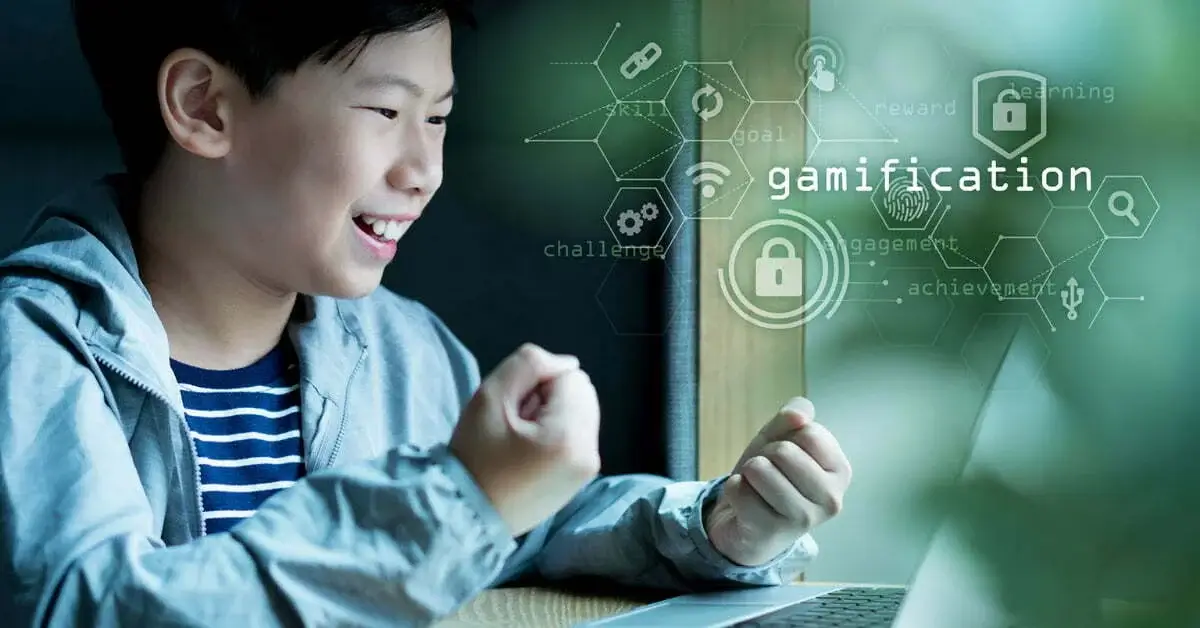
In the rapidly evolving landscape of education, one of the most critical goals is ensuring that students not only understand concepts but also retain them over the long term. Traditional instructional methods often struggle to engage learners fully, leading to superficial understanding and rapid forgetting. Gamification in education offers a compelling solution, combining game mechanics with evidence-based learning strategies to enhance knowledge retention. By making learning interactive, rewarding, and memorable, educators can help students retain information more effectively and apply it in real-world contexts.
Understanding Knowledge Retention in Education
Knowledge retention refers to the ability to store, recall, and apply learned information over time. Effective retention is influenced by engagement, repetition, meaningful context, and active processing. Gamification in education leverages these principles by transforming passive learning into active, immersive experiences that reinforce memory and understanding.
The Role of Active Engagement
Active engagement is crucial for retaining information. Gamified learning activities require students to participate, make decisions, solve problems, and interact with content. This active involvement strengthens neural pathways and enhances long-term memory formation, making knowledge more accessible for future application.
The Science of Spaced Repetition and Gamification
Spaced repetition, a principle supported by cognitive science, involves reviewing information at increasing intervals to improve retention. Gamification in education incorporates this strategy through levels, quests, and periodic challenges that revisit key concepts, ensuring that knowledge is reinforced over time rather than forgotten after initial exposure.
Emotional Connection and Memory
Emotionally engaging experiences are more likely to be remembered. Gamification in education often uses narrative elements, rewards, and interactive challenges to create emotional connections with learning material, making content more memorable and enhancing retention.
Key Gamification Strategies for Enhancing Retention
Implementing gamification effectively requires deliberate strategies that align with cognitive principles and learning science.
Progression and Leveling Systems
Leveling systems divide content into progressive stages, encouraging students to master foundational knowledge before advancing. This structured approach reinforces earlier lessons, strengthens memory, and allows for cumulative learning, ensuring that retention builds over time.
Quests, Challenges, and Missions
Gamified quests and challenges engage students in problem-solving and application of concepts. By requiring active participation and critical thinking, these tasks reinforce learning, improve understanding, and create meaningful experiences that enhance knowledge retention.
Points, Badges, and Rewards
Points and badges serve as extrinsic motivators while providing feedback and recognition. When tied to mastery of content, rewards encourage repetition, persistence, and consistent engagement, all of which support long-term retention.
Immediate and Adaptive Feedback
Immediate feedback allows students to correct mistakes and reinforce correct understanding. AI-powered and adaptive gamification tools further enhance retention by tailoring feedback to individual learning needs, ensuring that students focus on areas requiring reinforcement.
Collaborative Learning Elements
Collaboration in gamified learning, such as group quests and peer feedback, reinforces knowledge through discussion and teaching others. Explaining concepts to peers strengthens understanding and retention, as learners actively process and organize information.
Technology and Tools Supporting Retention
Digital tools play a pivotal role in implementing gamification strategies that enhance knowledge retention.
Learning Management Systems
Modern LMS platforms incorporate gamified elements such as badges, points, and progress tracking, providing structured pathways that reinforce retention through repeated exposure and interactive engagement.
Educational Apps
Applications like Quizizz, Kahoot!, and Classcraft create interactive, adaptive experiences where learners revisit concepts, receive immediate feedback, and engage in repeated practice, all of which strengthen retention.
AI-Powered Platforms
Artificial intelligence enables personalized learning experiences by analyzing student performance and adjusting challenges. AI-powered gamification ensures that content is revisited strategically and that learners receive targeted reinforcement, maximizing long-term knowledge retention.
Benefits of Gamification for Knowledge Retention
Gamification in education offers numerous advantages that directly impact memory and learning outcomes.
Improved Recall
Interactive, engaging, and emotionally meaningful learning experiences enhance the brain’s ability to store and recall information, leading to better academic performance.
Reinforced Understanding
By applying knowledge in problem-solving tasks, quests, and real-world scenarios, students deepen their comprehension, ensuring that learning is not superficial but integrated and lasting.
Increased Motivation to Learn
Reward systems, progression levels, and interactive challenges maintain student motivation, encouraging repeated engagement and ongoing practice, which are critical for retention.
Development of Critical Thinking
Gamified tasks often require analysis, synthesis, and application, promoting higher-order thinking. This cognitive processing strengthens neural connections, aiding retention and the ability to transfer knowledge to new contexts.
Challenges and Considerations
While gamification is effective in enhancing retention, careful design is essential. Overreliance on rewards can undermine intrinsic motivation, excessive competition may discourage some learners, and poorly aligned challenges may fail to reinforce key concepts. Best practices include focusing on learning objectives, ensuring balanced challenges, and integrating adaptive, personalized elements to meet diverse learner needs.
Future Directions
The future of gamification in education promises even greater support for knowledge retention. Emerging technologies such as virtual and augmented reality, AI-driven adaptive platforms, and immersive simulations will provide highly engaging, personalized, and memorable learning experiences. These innovations will further strengthen retention by combining interactive, emotionally meaningful, and cognitively challenging activities with real-time feedback and adaptive learning strategies.
Conclusion
Gamification in education is a powerful strategy for enhancing knowledge retention. By incorporating game mechanics such as levels, quests, points, badges, and adaptive feedback, educators create learning experiences that actively engage students, reinforce understanding, and make content memorable. Technology, particularly AI-powered platforms, amplifies these effects by personalizing learning and providing targeted reinforcement. Thoughtfully implemented, gamification ensures that students retain knowledge effectively, develop critical thinking skills, and remain motivated to achieve long-term academic success.