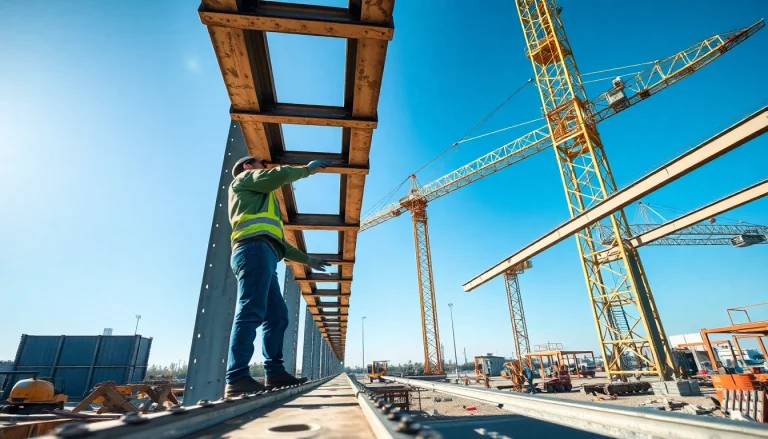





Understanding the Importance of Construction Safety Programs
Construction sites are inherently dangerous environments, presenting numerous risks to workers. To combat these issues, effective construction safety programs are essential. These programs not only protect the health and well-being of workers but also ensure compliance with legal standards, thereby reducing liability for employers. The implementation of well-structured safety programs can lead to a decrease in incidents, ultimately enhancing productivity and contributing to a positive safety culture. This article delves into the significance of these programs, key components, and actionable steps to create and maintain them effectively.
Defining Construction Safety Programs
Construction safety programs are comprehensive frameworks designed to ensure the safety and health of workers on construction sites. These programs incorporate policies, procedures, and training that aim to minimize risks associated with various hazards employees might encounter. Elements of these programs may include personal protective equipment (PPE) usage, hazard communication, emergency response protocols, and ongoing safety training, among others. A well-defined program aligns with statutory regulations, providing a blueprint for achieving safety objectives.
Why Safety Matters in Construction
The construction industry is one of the most hazardous sectors worldwide, with higher rates of injuries and fatalities compared to other industries. Ensuring safety on construction sites is not merely a legal obligation; it is a moral imperative. When companies prioritize safety, several benefits arise:
- Reduced Accidents: Effective safety programs significantly reduce the number of workplace accidents, protecting workers from injury.
- Legal Compliance: Adhering to safety regulations minimizes the risk of legal repercussions for organizations.
- Improved Productivity: When workers feel safe, they are more productive, leading to higher quality work.
- Enhanced Reputation: Companies known for their commitment to safety often attract talent and client opportunities.
Key Components of Effective Safety Programs
To create a robust construction safety program, several core components must be included:
- Risk Assessment: A thorough evaluation of potential hazards unique to each construction site and project.
- Safety Training: Effective training programs for all employees, covering essential safety protocols and emergency procedures.
- Personal Protective Equipment (PPE): Ensuring all workers have access to and know how to use appropriate PPE.
- Incident Reporting and Investigation: Establishing clear procedures for reporting accidents and conducting investigations to prevent recurrence.
- Regular Safety Audits: Frequent assessments of safety practices to identify areas of improvement.
Common Hazards in Construction Environments
Identifying Potential Safety Risks
Construction sites are fraught with various hazards, and recognizing these risks is the first step in formulating effective safety measures. Common hazards include:
- Falls: One of the leading causes of construction fatalities, falls can occur from heights or due to slippery surfaces.
- Equipment Accidents: Injuries can result from the improper use or malfunction of heavy machinery.
- Hazardous Materials: Exposure to harmful substances like asbestos or chemicals can lead to severe health issues.
- Electrocution: Electrical hazards pose serious risks, particularly for workers handling live wires or equipment.
Evaluating Equipment Safety
Equipment safety is critical on construction sites. Regular inspections and maintenance must be performed to ensure machinery is in good working order. Furthermore, workers should be trained on how to operate all equipment safely. This includes understanding the specific risks associated with each machine and adhering to safety protocols during operation. A culture of vigilance around equipment handling greatly reduces accidents and injuries.
Recognizing Health Risks on the Job Site
Besides physical injuries, health risks such as exposure to noise, dust, and hazardous materials can compromise worker health. These risks often lead to chronic ailments that may not manifest until years later. Implementing health monitoring and preventive measures can help mitigate these risks. Providing respiratory protection, ensuring adequate ventilation, and training workers about health hazards contribute significantly to safeguarding employees’ long-term health.
Steps to Develop Construction Safety Programs
Conducting a Safety Needs Assessment
The foundation of an effective safety program is a comprehensive safety needs assessment. This involves analyzing the specific hazards present in the work environment, reviewing past incident reports, and understanding the potential risks associated with upcoming projects. Engaging workers in this assessment allows for a more thorough understanding of frontline operations and their challenges. This inclusive approach fosters a culture of safety from the bottom up.
Creating a Compliance Checklist
Once the assessment is completed, create a compliance checklist based on safety regulations and the unique requirements of the project. This checklist serves as a foundational tool to ensure all safety measures are implemented effectively. Regularly revising this checklist helps keep it relevant with changing regulations and risks.
Engaging Workers in Safety Training
Worker engagement is essential for the success of safety programs. Training should be interactive and tailored to the specific needs of the workforce. Incorporating hands-on training sessions, simulations, and refreshers allows workers to retain important safety information better. Encouraging feedback can also help in refining the training process, leading to more effective results.
Monitoring and Improving Safety Programs
Tracking Safety Performance Metrics
Establishing and tracking safety performance metrics is crucial for measuring the effectiveness of a construction safety program. Metrics such as incident rates, near-misses, and employee feedback can offer valuable insights. Performance tracking should lead to identifying trends, enabling proactive adjustments to processes and training methods.
Conducting Regular Safety Audits
Regular safety audits are essential for maintaining compliance and continuous improvement within safety programs. These audits should be systematic and include inspections of equipment, work practices, and PPE usage. Auditors should also verify the efficacy of training programs to ensure employees can apply safety principles effectively onsite.
Updating Programs Based on Feedback
Construction safety programs must be dynamic, evolving based on feedback and emerging best practices. Employee input, incident analysis, and changes in regulations should drive updates to ensure the program remains effective. Engaging with workers for feedback reinforces their commitment to safety and helps highlight areas that need improvement.
FAQs About Construction Safety Programs
What are construction safety programs?
Construction safety programs are structured initiatives designed to ensure safety across construction sites. They include policies, training, and procedures to mitigate risks.
How do safety programs benefit workers?
These programs protect workers from accidents and injuries, promote a culture of safety, and enhance overall job satisfaction and productivity.
What are common components of safety programs?
Common components include risk assessments, safety training, PPE guidelines, incident reporting, and regular safety audits.
How often should safety programs be updated?
Safety programs should be updated regularly, ideally at least annually or whenever new risks or regulations emerge.
Who is responsible for implementing safety programs?
While safety managers typically lead the implementation, the responsibility falls on all employees, from management to frontline workers.