

Stress and anxiety are natural responses to challenges, pressure, or uncertainty in daily life. Everyone experiences these feelings at some point, but when they become persistent, they can impact emotional health, relationships, and overall well-being. At Calm Minds Hub, we provide evidence-based solutions to manage Stress and anxiety, helping you achieve calmer daily living. This article explores practical strategies, coping techniques, and lifestyle adjustments to reduce stress and anxiety effectively.
Understanding Stress and Anxiety
Stress is the body’s reaction to external pressures, such as work deadlines, school demands, or personal responsibilities. It often presents as physical tension, irritability, or difficulty concentrating. Anxiety, on the other hand, is a response to perceived threats or worries, which may be exaggerated or persistent, even in situations that do not pose real danger. While stress is usually linked to specific events, anxiety can linger for days, weeks, or months.
Recognizing the difference between stress and anxiety is important because it influences how you respond to them. Stress management techniques often focus on lifestyle changes, while anxiety solutions may include therapy, mindfulness, or relaxation exercises.
Signs and Symptoms of Stress and Anxiety
Stress and anxiety can manifest in physical, emotional, and behavioral ways. Common signs include:
- Physical symptoms: Headaches, muscle tension, rapid heartbeat, fatigue, digestive issues.
- Emotional symptoms: Irritability, restlessness, sadness, mood swings, difficulty enjoying activities.
- Behavioral symptoms: Avoidance, procrastination, overeating or loss of appetite, disrupted sleep.
Understanding these symptoms is the first step toward managing stress and anxiety effectively.
Daily Stress and Anxiety Solutions
Implementing practical daily strategies can significantly reduce stress and anxiety. The key is consistency and personalization—what works for one person may not work for another.
Mindfulness and Meditation
Mindfulness is the practice of being present in the moment without judgment. Meditation techniques, such as deep breathing, body scans, or guided visualization, help calm the mind and reduce stress hormones.
Example: Spending 10 minutes each morning focusing on your breath can lower anxiety and improve focus throughout the day.
Physical Activity
Exercise is a natural stress and anxiety reliever. Physical activity increases endorphins, which are chemicals in the brain that improve mood and reduce stress.
Examples of exercises:
- Walking or jogging
- Yoga or stretching routines
- Team sports or recreational activities
Healthy Lifestyle Choices
Nutrition, sleep, and hydration directly influence emotional health. Poor diet, irregular sleep, or dehydration can exacerbate stress and anxiety.
Tips:
- Eat balanced meals rich in fruits, vegetables, and lean proteins.
- Limit caffeine and sugar intake.
- Aim for 7–9 hours of sleep each night.
- Drink adequate water throughout the day.
Time Management and Organization
Feeling overwhelmed by tasks is a common cause of stress. Effective time management helps reduce anxiety by providing a sense of control.
Strategies:
- Make a daily or weekly to-do list.
- Prioritize tasks by urgency and importance.
- Break large tasks into smaller, manageable steps.
- Use reminders and digital calendars to stay organized.
Relaxation Techniques
Incorporating relaxation methods can calm the nervous system and reduce stress responses.
Techniques include:
- Deep breathing exercises
- Progressive muscle relaxation
- Listening to soothing music
- Taking short breaks during work or study sessions
Social Support and Connection
Talking to friends, family, or support groups can ease stress and anxiety. Sharing experiences and receiving empathy helps normalize feelings and fosters emotional resilience.
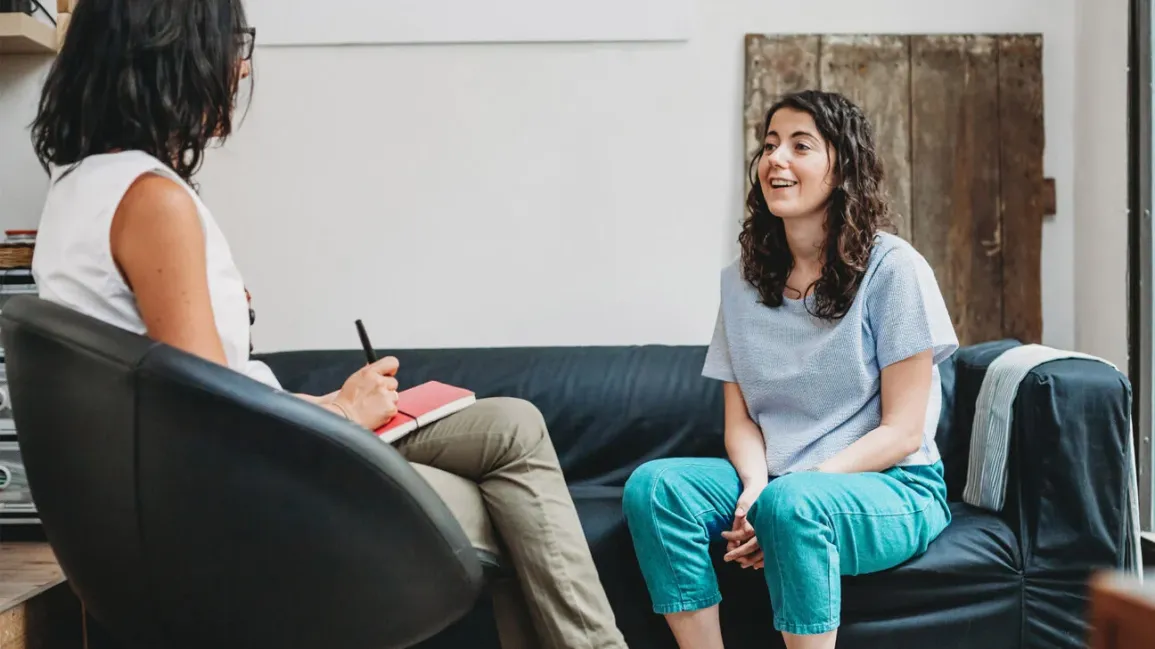
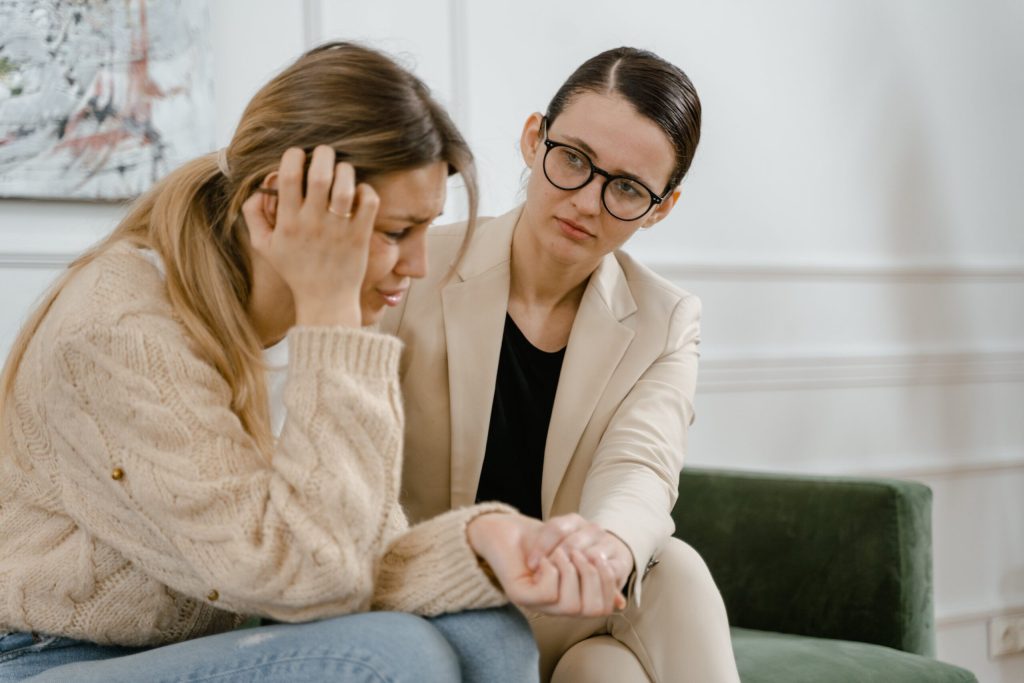
Case Study: Sarah, a high school student, experienced anxiety about exams. By discussing her worries with a school counselor and joining a study group, she felt more supported and less anxious.
Cognitive Behavioral Approaches
Cognitive Behavioral Therapy (CBT) helps identify and change negative thought patterns that contribute to anxiety. Simple CBT techniques can be practiced daily:
- Challenge irrational thoughts by asking for evidence.
- Replace negative self-talk with positive affirmations.
- Focus on problem-solving rather than ruminating on worries.
Journaling and Emotional Expression
Writing about feelings can help process emotions and reduce stress. Journaling also allows for self-reflection and insight into triggers.
Tip: Spend 10–15 minutes each day writing about worries, achievements, or things you are grateful for.
Real-Life Applications of Stress and Anxiety Solutions
Implementing stress and anxiety solutions can vary based on personal circumstances. Here are some practical examples:
- Workplace Stress: Tom, an office employee, used deep breathing and short walks during breaks to manage tension. Over time, his productivity improved, and he felt less anxious.
- Academic Anxiety: Students facing exams can use mindfulness techniques, study planning, and peer support to reduce test anxiety.
- Family Challenges: Conflicts at home can cause chronic stress. Open communication, family meetings, and shared problem-solving help maintain emotional balance.
Creating a Daily Routine for Calm Living
Consistency in applying stress and anxiety solutions is crucial for long-term benefits.
Daily routine suggestions:
- Morning: Meditation, light exercise, and healthy breakfast.
- Midday: Short walks, mindful eating, and hydration.
- Afternoon: Break tasks into smaller steps and use time management tools.
- Evening: Journaling, relaxation exercises, and limited screen time before bed.
Benefits of Managing Stress and Anxiety
Effectively managing stress and anxiety improves overall well-being:
- Enhanced emotional resilience
- Better focus and productivity
- Improved physical health
- Stronger relationships
- Increased sense of calm and control
Conclusion
Stress and anxiety are part of daily life, but they do not have to control it. By understanding symptoms, applying practical solutions, and maintaining healthy habits, you can achieve calmer daily living. Mindfulness, exercise, social support, cognitive strategies, and structured routines work together to reduce stress and anxiety effectively. With commitment and self-compassion, you can cultivate emotional stability and a balanced, fulfilling life. Calm Minds Hub is dedicated to guiding you through these steps, providing evidence-based strategies and compassionate support for your journey toward emotional wellness. Unlock the full value of our platform—visit the homepage to explore more.
FAQs
What are the most effective ways to reduce stress and anxiety daily?
Daily stress and anxiety can be reduced through mindfulness, regular exercise, proper sleep, healthy nutrition, journaling, and connecting with supportive people. Consistency in these practices is key to long-term benefits.
Can lifestyle changes really improve anxiety symptoms?
Yes. Regular physical activity, balanced nutrition, adequate sleep, and time management significantly impact stress and anxiety. These changes support emotional regulation and reduce the intensity of anxious thoughts.
How do I know if I need professional help for stress and anxiety?
If stress and anxiety interfere with daily functioning, relationships, or sleep, or if feelings persist despite self-care strategies, seeking professional guidance from a therapist or counselor is recommended.