


Understanding the Importance of Doors
Doors are often overlooked when it comes to home improvement and design, yet they play a crucial role in several key aspects of any living space. From functionality to aesthetics, doors are essential for creating a cohesive flow throughout a home. Understanding their importance can help in making informed decisions when selecting, installing, and maintaining them.
Doors as Functional Elements
Functionality is the primary role of a door. Every door serves as a barrier, providing access control, privacy, and separation between spaces. For instance, interior doors delineate areas, making it easier to manage sound and privacy within a home. Different types of doors serve specific purposes. For example, pocket doors slide into the wall to save space, while traditional swing doors demand more room to operate. Each functional aspect contributes significantly to how inhabitants interact with their environment.
Aesthetic Appeal of Doors
Beyond functionality, doors contribute significantly to the aesthetics of a home. They are often the first thing guests notice and can set the tone for the entire house. The design of a door—its color, material, and style—can enhance the architectural style and personality of a space. A bold front door can serve as a focal point, while sleek interior doors can lend a modern touch. Selecting doors that complement the overall design scheme can create a harmonious look, enhancing curb appeal and interior decor.
Doors and Home Security
The security of a home is another vital function of doors. A sturdy exterior door equipped with high-quality locks serves as the first line of defense against intruders. Features like deadbolts, reinforced frames, and security screens can increase safety and provide peace of mind for homeowners. Additionally, smart door locks and security systems can integrate with modern technology, offering remote access and monitoring capabilities. When choosing doors, considering security features is essential for safeguarding your home and family.
Types of Doors to Consider
Interior Doors: Styles and Materials
Interior doors come in a variety of styles and materials, each suited for specific applications and preferences. Common materials include:
- Wood: Offers a classic look with natural warmth and is available in various finishes.
- Hollow-core: Lightweight and cost-effective, often used in budget applications.
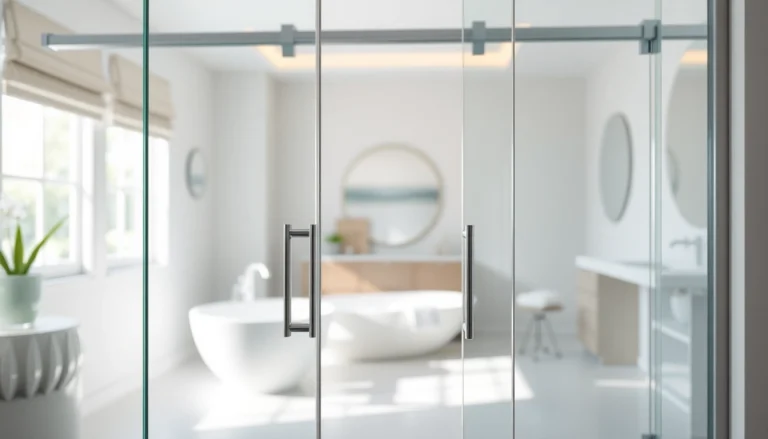
- Glass: Ideal for letting light in while maintaining privacy; styles range from frosted to clear.
- Composite: Made from a blend of materials, offering durability and resistance to warping.
The style of interior doors includes options like flush doors, panel doors, and bi-fold doors, each contributing differently to the interior design and functionality of a room.
Exterior Doors: Choices for Curb Appeal
Choosing exterior doors is integral to enhancing your home’s curb appeal. Popular options include:
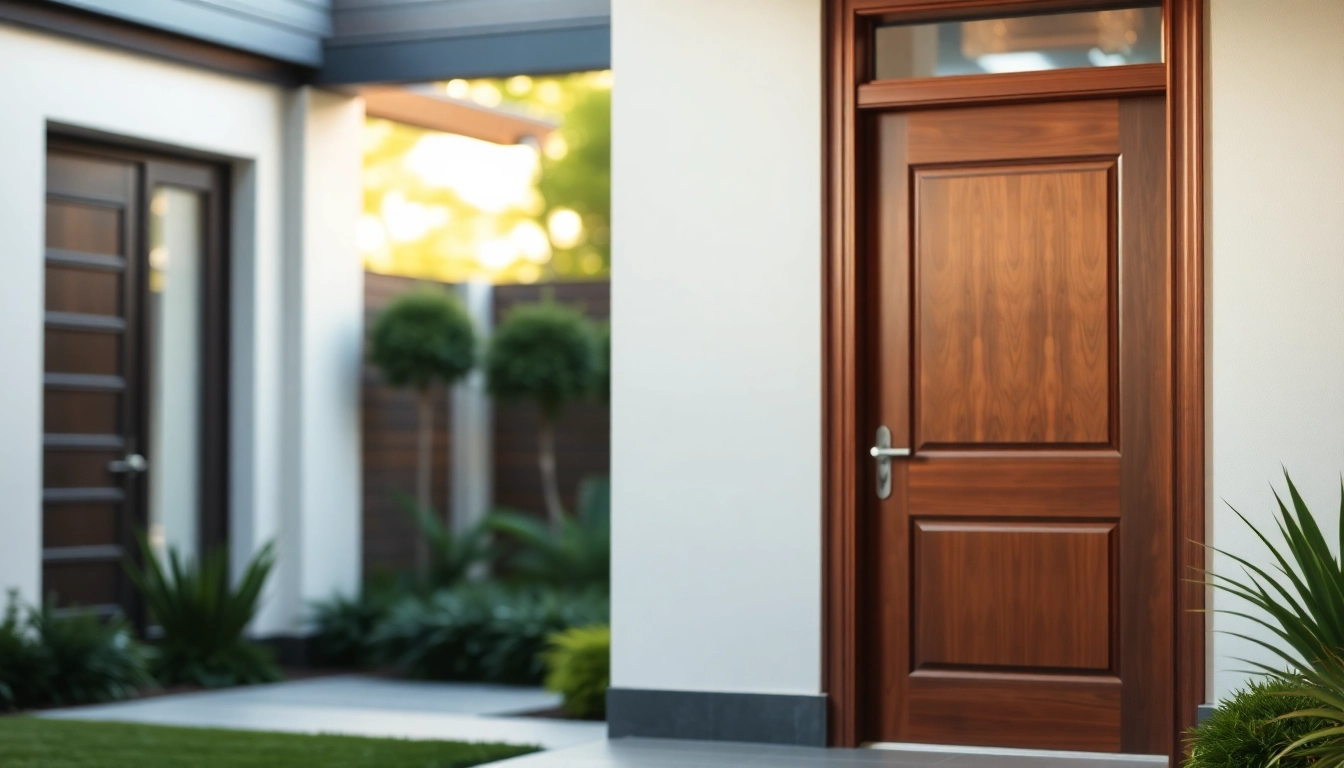
- Entry Doors: These are typically made from fiberglass or solid wood, prioritizing both appearance and security.
- Patio Doors: Sliding or French doors that provide access to outdoor living spaces and allow natural light.
- Storm Doors: These protect entry doors from harsh weather and provide an extra layer of insulation.
Each of these door types can be customized in terms of color, material, and design to match the overall aesthetic of your home.
Specialty Doors: Bi-fold and French Options
Specialty doors, such as bi-fold and French doors, offer unique solutions for both function and design. Bi-fold doors are ideal for maximizing space, as they open up completely to create a seamless transition between indoor and outdoor areas. Meanwhile, French doors provide elegance and sophistication, often functioning as a pair that swings open to create an inviting entryway. These doors can enhance the overall ambiance of your home, making them popular choices for modern layouts.
Essential Features to Look For
Material Considerations for Doors
The material of a door significantly affects not just its appearance but also its durability and insulation properties. Common materials include:
- Steel: Known for its strength and security, ideal for areas that require high durability.
- Fiberglass: Offers good insulation and can mimic the appearance of wood.
- Wood: Offers natural insulation but requires regular maintenance to prevent damage from moisture and insects.
When selecting materials, consider factors such as climate, location, and maintenance requirements to determine the best choice for your specific needs.
Energy Efficiency in Doors
Energy efficiency is an often overlooked feature in doors, yet it can greatly impact a home’s energy consumption. Look for doors with good insulation ratings to minimize heat transfer, especially on exterior doors. Features like double-glazing on glass doors and weather stripping can enhance energy efficiency, helping to keep your home comfortable while reducing heating and cooling costs.
Hardware and Accessories for Doors
Choosing the right hardware and accessories for doors can enhance both functionality and aesthetics. Hinges, handles, and locks should be not only durable but also complement the style of the door. Consider smart locks for increased security and convenience, allowing for keyless entry or remote access. Additionally, door stoppers, thresholds, and plates can add finishing touches while improving functionality and longevity.
Installation and Maintenance Tips
DIY Vs. Professional Installation of Doors
When it comes to installing doors, homeowners often face the decision of whether to tackle the project as a DIY effort or hire professionals. DIY installation can save money but requires adequate knowledge, tools, and time. If you lack experience with carpentry or electrical work (for smart locks), hiring a professional is advisable. Professionals ensure precise measurements and a quality finish, potentially saving money on future repairs.
Regular Maintenance to Sustain Doors
Maintaining your doors is essential in prolonging their life and performance. Regularly inspect doors for signs of damage or wear, such as peeling paint or misaligned hinges. Depending on the material, maintenance tasks may include:
- Painting or staining wooden doors to protect against moisture.
- Lubricating hinges and locks to ensure smooth operation.
- Replacing weather stripping to enhance energy efficiency.
Creating a maintenance schedule can help keep your doors in optimal condition and enhance their longevity.
Common Issues with Doors and Solutions
Doors often face issues over time, such as sticking, uneven gaps, or difficulty opening and closing. These problems can arise from various factors including humidity, settling of the home, or wear and tear. Solutions include:
- Adjusting hinges to realign misaligned doors.
- Trimming the bottom of a sticking door to ensure smooth operation.
- Replacing worn-out hardware to resolve operational difficulties.
Addressing these issues promptly can prevent further damage and ensure the continued functionality of the door.
FAQs About Doors
What materials are best for exterior doors?
Optimal materials for exterior doors include fiberglass and solid wood for aesthetics, and steel for security. Consider local climate and maintenance needs when selecting.
How often should doors be maintained?
Regular maintenance should occur bi-annually. Check for signs of wear and perform necessary repairs to prolong the door’s lifespan.
What are the energy-efficient options for doors?
Energy-efficient doors often feature insulation technology, dual-pane glass, and weather stripping. Seek models with energy ratings for the best options.
How do I choose a style that fits my home?
Consider your home’s architectural style, color palette, and personal taste when selecting a door style. Consistency with the home’s aesthetics is crucial.
Can I install a door myself?
Yes, with the right tools and knowledge, you can install a door yourself. However, for complex installations, hiring a professional is recommended for best results.