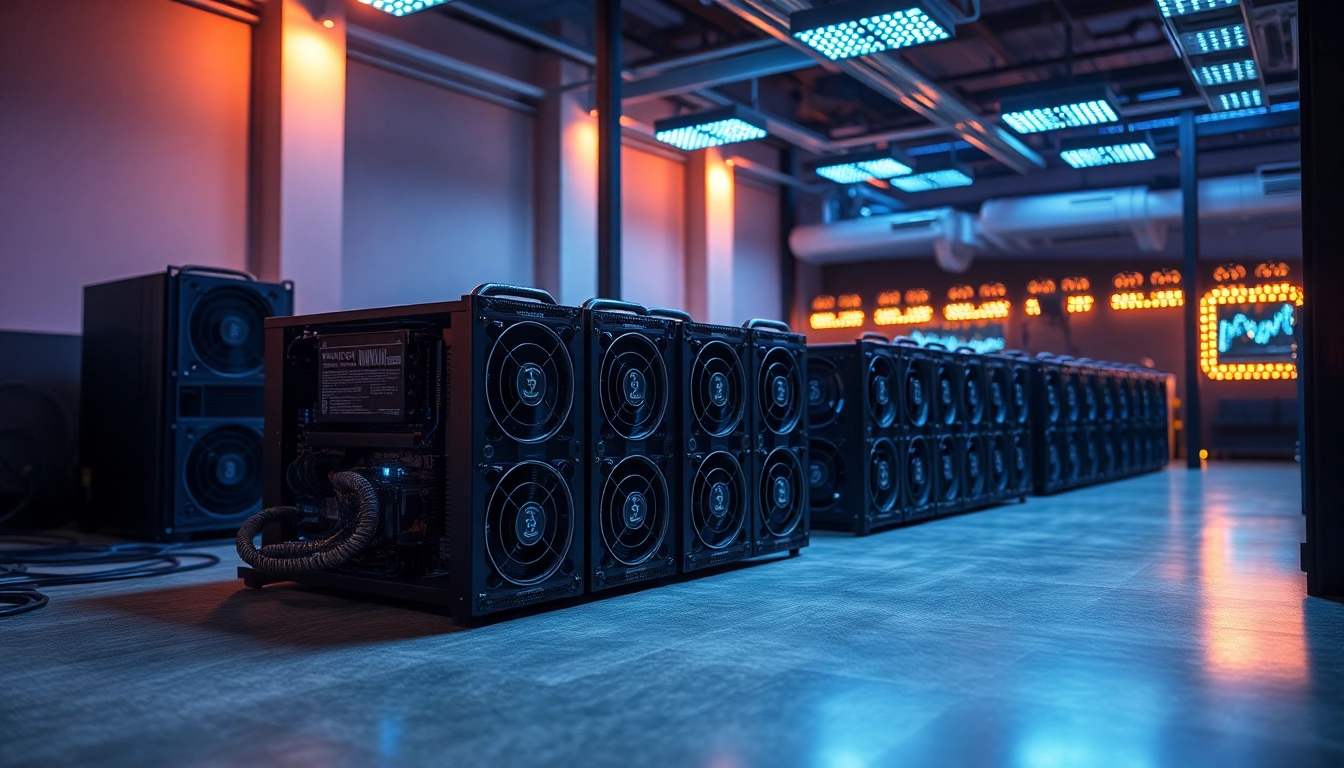
Understanding Bitcoin Mining Fundamentals
Bitcoin mining is at the heart of the cryptocurrency revolution, serving as a mechanism to secure the network, process transactions, and introduce new bitcoins into circulation. As the digital currency gains traction globally, understanding the intricacies of bitcoin mining is essential for both newcomers and seasoned investors. This comprehensive guide delves into the fundamentals, profitability, environmental implications, hardware choices, and future trends shaping bitcoin mining as we progress through 2025.
What is Bitcoin Mining?
At its core, bitcoin mining is the process by which transactions are validated and added to the blockchain, a decentralized digital ledger. Miners utilize powerful computers to solve complex mathematical problems, known as proof-of-work. The first miner to solve these problems gets to add a new block to the blockchain and is rewarded with newly minted bitcoin as well as transaction fees. This dual incentive structure not only secures the network but also regulates the supply of new bitcoins, ensuring that it is capped at 21 million.
The Process Behind Mining
The mining process involves several steps:
- Transaction Verification: When users initiate a transaction, it is broadcasted to the network where miners validate it by ensuring the sender has sufficient balance.
- Block Creation: Validated transactions are grouped into a block, which includes a reference to the previous block, creating a chain.
- Proof-of-Work: Miners compete to solve the cryptographic puzzle associated with the block using their computational power.
- Network Consensus: Once a miner solves the puzzle, they broadcast their solution to the network. Other miners verify this solution, achieving consensus.
- Reward Distribution: The successful miner receives a block reward, which currently stands at 6.25 bitcoins, along with the fees from the transactions included in the block.
Key Technologies Used in Bitcoin Mining
Bitcoin mining relies on several key technologies, including:
- ASIC Miners: Application-Specific Integrated Circuits (ASICs) are devices designed specifically for bitcoin mining, offering significant advantages in efficiency and performance.
- Mining Pools: These are groups of miners who combine their computational power to increase the likelihood of earning rewards. The reward is then shared among members based on the power contributed.
- Hashing Algorithms: Bitcoin uses the SHA-256 hashing algorithm, which plays a critical role in the mining process by ensuring security and integrity.
Profitability in Bitcoin Mining
Understanding the profitability of bitcoin mining is crucial, particularly as market dynamics and technology evolve. Various factors influence whether mining is a financially viable endeavor.
Calculating Mining Profitability
To determine the profitability of a mining operation, miners must consider multiple factors:
- Electricity Costs: These are often the largest expense. The total energy consumption of the mining hardware multiplied by local electricity rates determines overall costs.
- Mining Pool Fees: Most mining pools charge fees, typically ranging from 1% to 3% of the rewards earned.
- Bitcoin Market Price: The fluctuating market price of bitcoin directly impacts profitability; miners earn the equivalent value of the bitcoins they mine.
Factors Affecting Mining Earnings
Several external factors can influence mining earnings:
- Difficulty Adjustments: The Bitcoin network adjusts the mining difficulty roughly every two weeks based on the total computational power in the network.
- Mining Hardware Efficiency: The efficiency of mining rigs varies significantly. Newer models can mine more bitcoins with less energy than older ones.
- Regulatory Environment: Changes in regulations can affect operational costs and the legality of mining in certain regions.
Common Misconceptions about Mining Profitability
Many misconceptions surround bitcoin mining profitability. One common myth is that anyone can easily mine bitcoin at home with minimal investment. In reality, the increasing difficulty and competitiveness make it essential to invest in specialized hardware and low-cost electricity to achieve profitability. Moreover, potential miners often underestimate the time required to see returns on their investment, leading to unrealistic expectations.
The Environmental Impact of Bitcoin Mining
As bitcoin mining continues to grow, its environmental implications have come under scrutiny. The process consumes vast amounts of energy, prompting discussions about sustainability and energy sources.
Energy Consumption and Sustainability
Bitcoin mining is energy-intensive, with numerous reports highlighting its significant carbon footprint. Estimates suggest that the network consumes more electricity annually than some countries. This energy consumption raises questions about the sustainability of mining practices, particularly in regions reliant on fossil fuels.
Mitigation Strategies for Environmental Concerns
To address environmental concerns, several strategies are being explored:
- Renewable Energy Sources: Many miners are shifting towards renewable energy sources like solar, wind, and hydropower to mitigate the carbon footprint.
- Energy Efficiency Improvements: Advancements in mining hardware and cooling techniques can lead to more energy-efficient operations.
- Carbon Offset Initiatives: Some mining operations are investing in carbon offset programs to balance their environmental impact.
Future of Eco-Friendly Mining Solutions
The future of bitcoin mining may heavily lean towards eco-friendliness as public awareness grows. Innovations such as carbon-neutral mining operations and energy-efficient ASIC miners are expected to gain traction, ultimately reshaping the industry’s environmental impact.
Choosing the Right Mining Hardware
For aspiring miners, choosing the right hardware can significantly affect profitability and operational efficiency.
Types of Bitcoin Mining Hardware
There are several types of bitcoin mining hardware available on the market:
- ASIC Miners: These are the most popular for bitcoin mining due to their superior efficiency and performance.
- GPU Miners: Graphics Processing Units (GPUs) can be used for mining but are generally less efficient than ASICs for bitcoin.
- FPGA Miners: Field-Programmable Gate Arrays offer customization options and can be more efficient than traditional CPUs and GPUs.
Guidelines for Selecting Efficient Miners
When selecting mining hardware, consider the following factors:
- Hash Rate: The higher the hash rate, the more calculations the miner can perform. Look for models with high hash rates.
- Energy Efficiency: Choose hardware that offers a good balance between performance and energy consumption.
- Cost vs. Reward: Analyze the price of the mining rig against potential earnings to ensure a favorable return on investment.
Emerging Hardware Trends in 2025
The landscape of bitcoin mining hardware is continuously evolving. Some emerging trends include:
- Integration of AI: Artificial intelligence is being used to optimize mining operations and improve hardware efficiency.
- Hybrid Mining Solutions: Some companies are exploring hybrid solutions that combine different types of mining hardware for improved performance.
- Second-Hand Market Growth: As new models are released, the second-hand market for mining equipment is expanding, offering opportunities for budget-conscious miners.
Future Trends in Bitcoin Mining
As the bitcoin mining industry continues to mature, several trends are likely to shape its future.
Market Predictions for Bitcoin Mining
Market analysts predict that the demand for bitcoin mining will remain strong, driven by the growing acceptance of cryptocurrencies and the potential for institutional investment. This demand will likely result in an ongoing shift towards more sustainable practices as miners seek to balance profitability with environmental responsibility.
Technological Innovations on the Horizon
Innovations such as next-generation ASIC chips and improved cooling technology could further revolutionize bitcoin mining efficiency. Additionally, the development of advanced algorithms may reduce energy consumption while maintaining robust security within the network.
Regulatory Changes Affecting the Mining Landscape
As cryptocurrencies gain wider acceptance, regulatory changes are inevitable. These changes could impact everything from operational costs to tax obligations for miners. Staying informed on regulations is crucial for miners looking to navigate the evolving landscape effectively.