Understanding LVP Flooring
What is LVP Flooring?
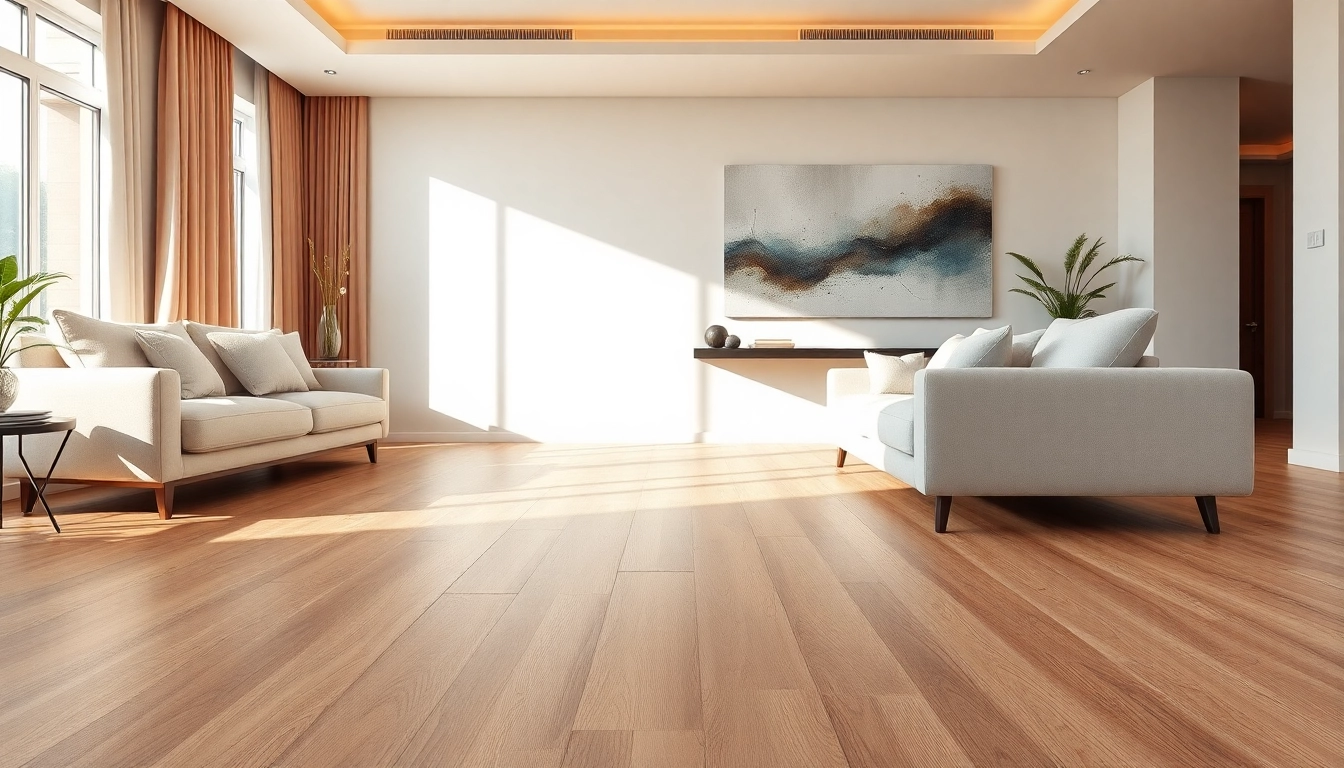
LVP flooring, or luxury vinyl planking, is a high-quality flooring option designed to emulate the look and feel of hardwood, stone, and ceramics without compromising on durability. Made from multiple layers of synthetic materials, LVP offers an ideal solution for homeowners seeking resilience and aesthetic appeal. It’s particularly popular in areas that experience heavy foot traffic or moisture, making it a versatile choice for both residential and commercial spaces.
Benefits of LVP Flooring
LVP flooring boasts a wide array of benefits that make it an appealing choice for many homeowners. These benefits include:
- Water Resistance: Most LVP products come with water-resistant properties, making them suitable for kitchens, bathrooms, and basements.
- Durability: Its tough outer layer can withstand scratches, dents, and stains, ensuring that your flooring stays pristine for years.
- Easy Installation: LVP can often be installed as a floating floor, meaning it does not require adhesive or nails.LVP flooring can typically be placed over existing flooring with minimal preparation.
- Variety of Styles: Available in a multitude of designs, colors, and textures, LVP allows homeowners to achieve their desired aesthetic.
- Cost-Effectiveness: Compared to traditional hardwood or tile flooring, LVP is generally more affordable, making it a budget-friendly option.
Choosing the Right Style for Your Space
When selecting LVP flooring for your home, it’s crucial to consider your specific style and preferences. Factors to take into account include:
- Color and Finish: Decide whether you prefer a light, airy look or a darker, more dramatic style.
- Texture: LVP is available in textures ranging from smooth to heavily embossed, mimicking natural materials.
- Pattern: Choose between traditional plank layouts, tile visuals, or unique patterns to enhance your interior design.
Installation Tips for LVP Flooring
Preparing Your Subfloor
Before installation, ensuring that your subfloor is clean, dry, and level is essential. Here are the steps to prepare your subfloor:
- Remove Old Flooring: Clear out any existing flooring materials, including old carpeting or tile.
- Check for Levelness: Use a leveling compound for any dips or humps on the floor surface.
- Clean Thoroughly: Sweep and vacuum the subfloor to eliminate dust and debris that could interfere with the adhesive or locking mechanisms.
- Moisture Testing: If you’re installing in a moisture-prone area, check the moisture levels in your subfloor.
Step-by-Step Installation Guide
Once you’ve prepared your subfloor, follow these straightforward steps for LVP flooring installation:
- Acclimation: Allow your LVP flooring to acclimate in the room where it will be installed for at least 48 hours.
- Underlayment: If required, lay down an underlayment to increase comfort and sound insulation.
- Layout Planning: Plan your layout before you start laying planks. A staggered pattern usually offers the best visual appeal.
- Installation: Start from one corner of the room and lay the planks, clicking each piece into place as you go.
- Trimming and Finishing: Trim around doorways and walls as necessary, and install baseboards to give a polished finish.
Common Installation Mistakes to Avoid
While installing LVP flooring, avoid these common pitfalls to ensure a successful project:
- Ignoring Moisture Levels: Failure to assess moisture can lead to buckling or warping.
- Improper Acclimation: Skipping the acclimation period can cause flooring to expand or contract unexpectedly.
- Neglecting the Subfloor: An uneven subfloor can lead to poor installation results and premature wear.
- Incorrect Layout: Not planning your layout can result in awkward seams and wasted material.
Maintenance of LVP Flooring
Daily Care and Cleaning Tips
To keep your LVP flooring looking great, daily care is essential. Here are some practical cleaning tips:
- Regular Sweeping: Sweep or vacuum to eliminate dirt and debris that can scratch surfaces.
- Spot Cleaning: For spills, use a soft cloth and a mild detergent solution to keep your floors spotless.
- Avoid Excess Moisture: Use a damp mop rather than soaking the floor and avoid harsh chemicals.
Best Products for LVP Flooring
Selecting the right products can enhance the longevity of your LVP flooring:
- Mop: Use a microfiber mop for effective, gentle cleaning.
- Cleansers: Opt for pH-balanced, neutral cleaners specifically designed for vinyl flooring.
- Protective Mats: Consider using rugs or mats in high-traffic areas and entry points to minimize wear.
Long-Term Maintenance Strategies
To ensure the longevity of your LVP flooring, consider these long-term maintenance strategies:
- Annual Deep Cleaning: Plan an annual deep clean using a recommended vinyl floor cleaning solution.
- Floor Protectors: Attach felt pads under your furniture to prevent scratches and dents.
- Temperature Control: Maintain a stable indoor temperature to minimize expansion and contraction of the flooring.
Design Ideas with LVP Flooring
Matching Decor with Flooring
Achieving a harmonious look in your home involves matching your LVP flooring with your overall decor. Consider these tips:
- Complementary Colors: Choose LVP flooring that enhances the color palette of your walls and furniture.
- Style Consistency: Ensure that the style of your flooring complements the design style of your space, be it modern, rustic, or traditional.
Creating a Cohesive Look
Creating a cohesive look throughout your home can be achieved by maintaining a consistent flooring style. Here are some strategies:
- Continuous Flooring: Use the same LVP throughout the main living areas to create a seamless flow.
- Transitions: Use subtle transitions between different rooms to maintain a sense of unity while accommodating different designs.
Trendy Color Palettes for LVP Flooring
Stay on trend by choosing popular color palettes that enhance your home’s aesthetic. Current trends include:
- Light Natural Tones: These create a calming, airy feel, perfect for coastal or minimalist designs.
- Dark Rich Hues: Deep browns and grays add sophistication and warmth to modern spaces.
- Gray and White Combos: These provide a clean, contemporary look, often paired with industrial accents.
Frequently Asked Questions about LVP Flooring
Is LVP Flooring waterproof?
While most LVP flooring is highly water-resistant, it is essential to check product specifications, as some may be waterproof. Always consult your manufacturer’s guidance.
How long does LVP flooring last?
Quality LVP flooring typically lasts between 10 to 30 years, depending on the manufacturer’s warranty and maintenance practices. A well-cared-for floor can exceed longevity expectations.
Can I install LVP flooring over existing floors?
Yes, in many cases, LVP can be installed over existing floors like tile or hardwood, provided the surface is clean, dry, and level. However, it’s critical to confirm with the product guidelines.
What is the cost of lvp flooring?
The cost of LVP flooring varies significantly based on the style and quality but generally ranges from $2 to $7 per square foot. Additional costs may include underlayment and installation fees.
Can LVP flooring be refinished?
LVP flooring cannot be refinished in the traditional sense like hardwood. However, surface scratches can often be repaired with specific cleaning products designed for vinyl. Always verify with the manufacturer.