


Understanding Construction Networking Events
Definition and Purpose of Construction Networking Events
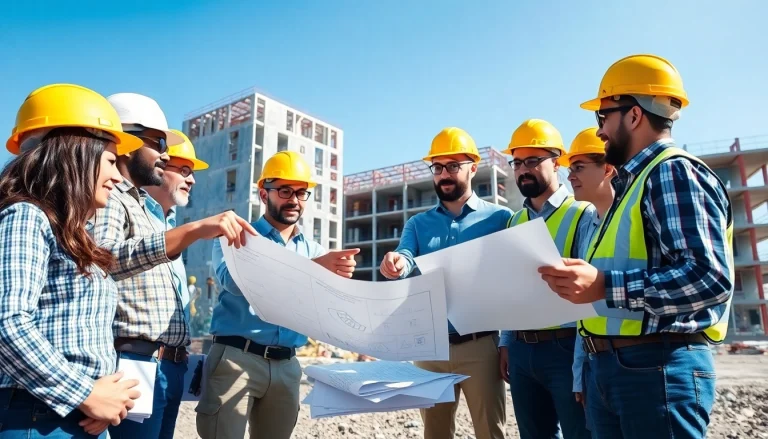
Construction networking events are gatherings designed to foster relationships among industry professionals, including architects, engineers, contractors, and suppliers. These events can vary widely in format, from formal trade shows and conferences to casual meet-and-greets or online forums. The primary purpose is to create an environment where attendees can exchange ideas, share knowledge, and explore collaborative opportunities. Ultimately, these interactions can lead to new partnerships, project collaborations, and enhanced knowledge of industry trends. Engaging in construction networking events is vital for personal career growth and the advancement of the construction sector.
Key Benefits for Industry Professionals
Professionals attending construction networking events can expect several tangible benefits, including:
- Opportunity for Collaboration: By meeting potential partners, individuals can collaborate on projects, share resources, and improve overall efficiency.
- Access to Valuable Industry Insights: Attending workshops and presentations allows professionals to stay informed about new technologies, trends, and regulations affecting the industry.
- Enhancing Brand Visibility: Regular attendance at networking events can help individuals and companies build their brand and reach a wider audience.
- Building Personal Relationships: Networking helps build stronger personal connections that can be critical for long-term success in the industry.
Types of Construction Networking Events
Construction networking events come in various formats. Understanding these differences can help professionals choose the right events to attend:
- Trade Shows: Large-scale events featuring exhibitors from various sectors of the construction industry, offering attendees a chance to see products and services firsthand.
- Conferences: These events often include speakers and panel discussions, focusing on industry knowledge and education.
- Workshops: Smaller, hands-on sessions designed to teach specific skills or concepts relevant to construction.
- Webinars: Online events that allow for remote participation, making it easier for professionals to engage with industry topics.
- Local Meetups: Informal gatherings often centered around community interests or projects, providing an intimate environment for networking.
Preparing for Construction Networking Events
Setting Goals and Objectives
Before attending a networking event, it’s essential to set clear goals. Identify what you hope to achieve, whether it’s making new contacts, learning about specific topics, or promoting your services. Having tangible objectives will help guide your interactions and ensure that you maximize your time.
Creating an Engaging Personal Elevator Pitch
Your elevator pitch is your introduction to new contacts and should concisely summarize who you are, what you do, and what you bring to the table. A well-crafted elevator pitch should be tailored to the audience and highlight your unique value proposition. Practice your pitch until it feels natural and spontaneous.
Essential Networking Tools and Materials
To make the most out of your experience, come prepared with the right tools:
- Business Cards: Ensure you have plenty of business cards to distribute to new contacts.
- Digital Presence: Keep your LinkedIn profile up to date, as many will look you up post-event.
- Portfolio: If applicable, have a digital or physical portfolio ready to showcase your previous work.
- Notepad and Pen: For taking notes on insights, contacts, and follow-up ideas during the event.
Maximizing Engagement at Construction Networking Events
Strategies for Meaningful Conversations
To engage in productive conversations, ask open-ended questions to encourage dialogue. Listen actively to what others have to say, offering insights from your experiences to create a reciprocal exchange. Focus on building rapport rather than simply selling your services.
Effective Follow-Up Techniques
After the event, promptly follow up with the contacts you made. A personalized email referencing a specific conversation can reinforce the connection established during the event. Consider sending LinkedIn requests to connect with key individuals.
Building Long-lasting Connections
Networking is not merely about making contacts; it’s about nurturing relationships. Regularly touch base with your connections, share relevant articles, or invite them to future events. Cultivating these relationships can lead to collaborative opportunities down the line.
Best Practices for Attending Construction Networking Events
Dos and Don’ts of Networking in Construction
To create lasting relationships, employ the following practices:
- Do: Dress professionally and appropriately for the event setting.
- Do: Listen more than you talk; let others share their stories.
- Don’t: Arrive overly focused on selling; focus on relationship-building first.
- Don’t: Overwhelm attendees with personal pitch; give them space to engage.
Approaching Different Personalities
Understanding personality types can be beneficial in networking. Tailor your approach based on how someone interacts. For instance, a more analytical individual may appreciate data-driven conversations, while a creative might be more engaged by ideas and innovations. Adapt your communication style to match the person you are speaking with.
Leveraging Social Media for Event Impact
Use social media platforms to extend your reach before, during, and after the event. Post about your participation, engage with others’ content, and share insights from the talks and discussions. This not only amplifies your presence at the event but also establishes you as a thought leader in your field.
Measuring Success After Construction Networking Events
Evaluating Goal Achievement
After attending an event, assess whether you met your initial goals. Did you connect with the desired number of contacts or learn about specific topics? Evaluating your success helps inform your strategy for future networking events.
Utilizing Feedback for Improvement
Solicit feedback from peers about your networking approach and the event itself. What were their most valuable takeaways? Input from others can provide insights into areas for improvement, deepening your capacity for future engagement.
Continued Networking Beyond the Event
Networking doesn’t end when the event concludes. Continue to engage with your new contacts by sharing relevant information, inviting them to lunch, or arranging follow-up meetings. Sustaining connections can lead to new opportunities and foster mutual support among professionals.
Frequently Asked Questions
What should I wear to a construction networking event?
Dress professionally, typically business casual, but tailor your attire to the event’s formality and location.
How can I prepare for meaningful conversations?
Research the companies or professionals attending, formulate questions, and practice your elevator pitch to enhance your confidence.
Is it important to follow up after networking?
Yes, following up reinforces connections, reminds contacts of your interaction, and opens the door for future conversations.
Can I bring a colleague to a networking event?
Absolutely! Bringing a colleague can enhance your networking experience and allow for mutual support in conversations.
How often should I attend networking events?
It depends on your industry and goals, but regularly attending events every few months can help maintain connections and knowledge.