


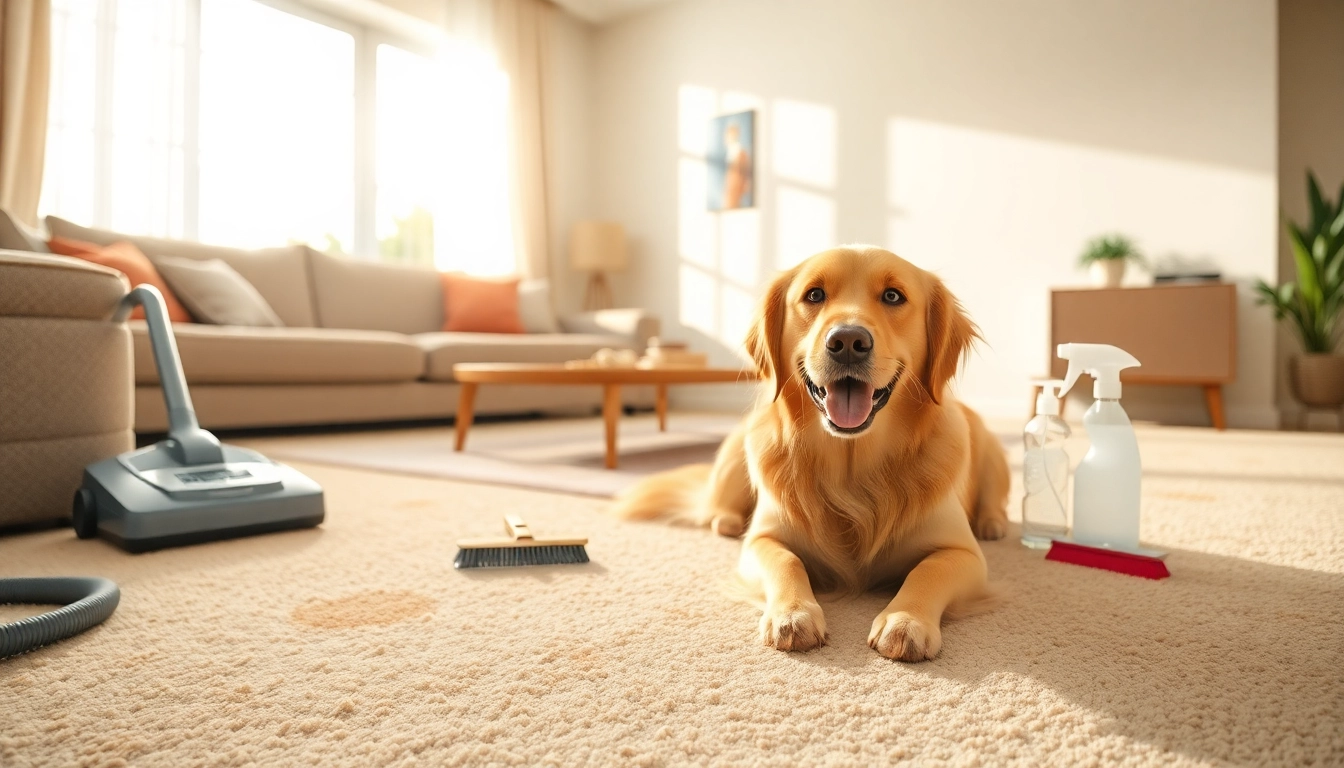
Understanding Pet Odor Carpet Cleaning
Pet ownership brings joy and companionship, but it often comes with challenges—namely, managing pet odors in carpets. This comprehensive guide will delve into the nuances of pet odor carpet cleaning, helping you maintain a fresh home environment. When it comes to pet odor carpet cleaning, understanding the root causes, selecting appropriate cleaning methods, and implementing preventive measures can make all the difference.
What Causes Pet Odors on Carpets?
Pet odors in carpets primarily arise from urine, feces, fur, and dander. Urine contains a mix of ammonia, salts, and other organic compounds, which can penetrate carpet fibers and backing. If not cleaned promptly, these substances can break down and emit unpleasant smells. Additionally, dried urine and feces can attract bacteria, which compound odor issues. Fur and dander can contribute to allergies and bad smells, especially in homes with multiple pets.
Importance of Regular Cleaning
Regular cleaning is vital in mitigating odors and maintaining a healthy home, particularly for pet owners. Over time, pet-related debris can accumulate in carpets, leading to persistent odors that become more intense with age. Regular vacuuming and spot-cleaning can prevent buildup, while deeper cleaning methods address hidden dirt and organic compounds. Consistent maintenance not only enhances air quality but also prolongs the life of your carpets.
Identifying Different Types of Stains
Understanding the different types of stains is crucial for effective cleaning. Pet stains can generally be categorized into:
- Urine: Often yellowish or brownish in color, it can leave a sticky residue that attracts dirt.
- Feces: Typically brown and may have a strong odor; requires immediate attention to prevent staining.
- Vomitus: Varies in color depending on the pet’s diet but can be acidic and damaging to carpets.
- Dander: Microscopic flecks of skin can trigger allergies; regular cleaning can help manage this issue.
Essential Tools for Effective Pet Odor Carpet Cleaning
Choosing the Right Cleaning Solutions
Selecting the right cleaning solution is essential for effective pet odor removal. Look for enzymatic cleaners specifically designed for pet stains; these break down the proteins in organic matter, neutralizing odors effectively. Avoid harsh chemicals that can be harmful to pets and humans alike. Alternatively, natural solutions like vinegar or baking soda can serve as backup options in a pinch.
Equipment Needed for Deep Cleaning
To thoroughly clean carpets deeply, specific equipment is beneficial:
- Steam Cleaner: A steam cleaner can penetrate deep into carpet fibers, effectively removing dirt and deodorizing without chemicals.
- Wet/Dry Vacuum: Excellent for pulling up liquids quickly and ensuring that cleaning solutions are fully extracted.
- Spray Bottles: Useful for applying spot treatments and homemade cleaning solutions.
- Brushes: Soft brushes help in gentle scrubbing to lift stains out of fibers.
DIY vs. Professional Services
Many pet owners choose between DIY methods and professional services for cleaning carpets. DIY cleaning enables a personalized approach and can save costs. However, professionals often have access to more advanced equipment and experience, which can deeply clean and mitigate persistent odors effectively. Assessing the extent of the problem, budget, and personal capability should guide your decision.
Step-by-Step Guide to Pet Odor Carpet Cleaning
Preparing Your Space for Cleaning
Preparation is key to successful pet odor cleaning. Start by removing furniture and objects from the area to clear your workspace. Vacuum thoroughly to pick up loose dirt and pet hair. Next, identify highly soiled areas and any spots with lingering odors. Mark these areas for extra attention.
Techniques for Spot Cleaning
Spot cleaning offers immediate relief from visible stains. Here’s a quick method:
- Blot the stain with paper towels—do not rub, as this can spread the stain.
- Mix a cleaning solution of one part white vinegar and one part water.
- Apply the solution to the stain using a clean cloth, blotting as you go.
- Rinse with cold water and blot until the area is dry.
Deep Cleaning Methods Explained
For persistent odors, deep cleaning is required. Here’s how to conduct a thorough deep cleaning:
- Start by vacuuming the carpet to eliminate surface debris.
- Use a steam cleaner with a pet-safe solution to clean the entire carpet, making sure to follow the manufacturer’s instructions.
- After deep cleaning, allow carpets to dry completely, which may take several hours; good ventilation helps speed this process.
- Once dry, vacuum again to lift carpet fibers and remove any remaining dirt.
Preventing Future Pet Odors in Carpets
Best Practices for Pet Owners
Preventive strategies are essential for long-lasting odor control. These can include:
- Training your pet to use designated areas for bathroom needs.
- Using washable covers or rugs in pet-prone areas to minimize direct carpet exposure.
- Regular grooming to remove loose fur and dander.
Setting Up a Regular Cleaning Routine
Establishing a cleaning routine can help keep odors at bay. Aim for these general guidelines:
- Vacuum at least once a week, or more frequently for high-traffic or heavily soiled areas.
- Spot clean immediately after accidents to prevent odors from setting in.
- Plan for deep cleaning every three to six months, depending on pet activity levels.
Using Odor Neutralizers Effectively
Using odor neutralizers can be an effective adjunct to cleaning. Baking soda, for example, can be sprinkled on carpets and left overnight to absorb odors. Additionally, commercially available pet odor neutralizers can be effective when used according to package instructions. Always ensure the products are pet-safe.
FAQs about Pet Odor Carpet Cleaning
How often should I clean my carpets if I have pets?
It’s advisable to clean your carpets every 3-6 months, or more often for high-traffic areas or during shedding seasons. Regular cleaning lowers the risk of persistent odors and stains, ensuring a fresher home environment.
Can I use vinegar as a pet odor cleaner?
Yes, vinegar is effective at neutralizing odors. Mix it with water for a cleaning solution. Always test on a small, inconspicuous carpet area to ensure compatibility with your carpeting before widespread use.
What if my carpet still smells after cleaning?
If odors persist despite your efforts, consider using specialized odor eliminators for pets or consulting professional cleaning services for a deeper clean to remove underlying residues effectively.
Are there carpet cleaners safe for pets?
Absolutely. Look for products specifically marked as pet-safe, which usually contain non-toxic ingredients. Always read labels and choose environmentally friendly options wherever possible.
How can I prevent my pets from soiling my carpets?
Implement training strategies, such as positive reinforcement for outdoor bathroom behavior. Designate areas for play where accidents are unlikely and invest in washable area rugs to protect your carpets.