

Introduction to Structural Steel Welding
Structural steel welding is a critical process in various construction projects, facilitating the creation of robust frameworks that support buildings, bridges, and other infrastructures. In this comprehensive guide, we will delve into the intricacies of structural steel welding, examining its purpose, techniques, applications, best practices, and career prospects in this essential field.
What is Structural Steel Welding?
Structural steel welding refers to the process of joining steel components to form a structural assembly. This technique is pivotal for ensuring the strength and stability of various structures whether they are residential buildings, skyscrapers, or industrial facilities. The welds created during this process fuse metal pieces together, allowing for the efficient transfer of loads and forces that the structures encounter throughout their lifespan.
Importance of Structural Steel Welding in Construction
The significance of structural steel welding cannot be overstated in modern construction. It provides the necessary framework that holds together different elements of a structure, creating a cohesive unit capable of withstanding loads, environmental stresses, and other challenges. Moreover, proper welding techniques enhance the durability and longevity of buildings and infrastructures, thus ensuring safety and reducing the need for frequent repairs.
Overview of Common Materials Used
Primarily, structural steel itself is the most commonly used material in welding processes. Steel alloys, including carbon steel, stainless steel, and alloy steel, are chosen based on their specific mechanical properties and the environment in which the structures will be used. The selection of materials is crucial as it affects the strength, weight, and resistance of the welded assembly against environmental factors.
Common Techniques in Structural Steel Welding
Different welding techniques are applied depending on the project requirements, materials involved, and desired outcomes. Let’s explore some of the most widely used methods in structural steel welding.
Manual Arc Welding Methods
Manual arc welding methods, including Shielded Metal Arc Welding (SMAW), are characterized by the use of a consumable electrode coated in flux. This method is highly versatile, suitable for various positions, and is widely used in field applications. Welders must maintain the correct arc length and travel speed to produce high-quality welds, which can be challenging in adverse conditions.
Gas Metal Arc Welding (GMAW)
Gas Metal Arc Welding, often referred to as MIG welding, uses a continuous wire feeding system along with a shielding gas to protect the weld pool from contamination. This method is known for its speed and efficiency. Because GMAW allows for versatile applications and cleaner welds, it has become a preferred choice in shop environments as well as for certain field operations.
Flux-Cored Arc Welding (FCAW)
Flux-Cored Arc Welding utilizes a tubular wire filled with flux, allowing for welding without the need for an external gas supply. This method provides excellent penetration and is suitable for welding thicker sections of steel. FCAW can be performed in various positions and can be engineered for both indoor and outdoor applications, making it a flexible choice for numerous projects.
Applications of Structural Steel Welding
Structural steel welding finds application in various sectors, driven by its unique combination of strength and adaptability.
Building Construction and Infrastructure
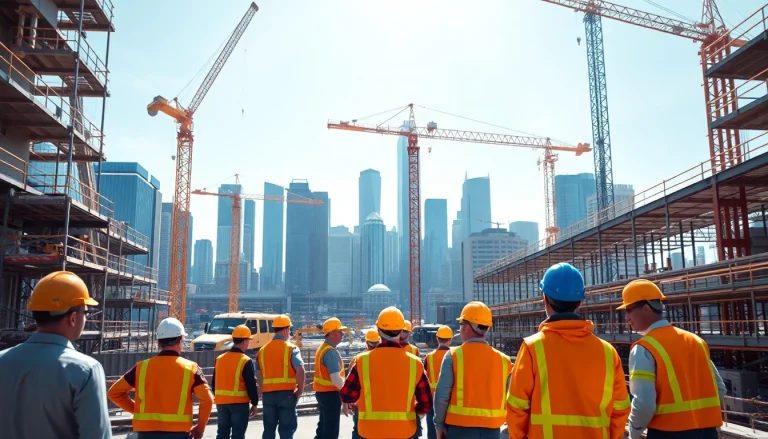
Welding plays an instrumental role in building construction, forming the backbone of skyscrapers, residential homes, and commercial buildings. Steel frames, beams, and columns are fabricated via welding, ensuring structural integrity during the construction stage and throughout the building’s operational life.
Bridges and Heavy Machinery
The robustness of structural steel welding makes it indispensable in bridge constructions and the manufacturing of heavy machinery. Welds are responsible for connecting vital components that must withstand substantial loads and dynamic forces imposed by traffic and machinery operations. Strong welds guarantee safety and reliability in these crucial infrastructures.
Custom Fabrication Projects
Custom fabrication of steel components often employs structural steel welding to meet specific design requirements. Architectural features such as ornamental railings, frames, and bespoke metalwork necessitate precision and expertise in welding. Such projects can showcase the creativity and craftsmanship possible through steel welding techniques.
Best Practices for Structural Steel Welding
Implementing best practices in structural steel welding enhances safety, efficiency, and quality. Here are some key considerations to keep in mind:
Safety Measures and Equipment
Prioritizing safety is paramount. Welders should utilize appropriate protective gear, including helmets, gloves, and flame-resistant clothing. Adequate ventilation is critical to prevent harmful fume exposure. Additionally, working in a clean area free from flammable materials reduces the risk of accidents.
Preparation and Setup for Effective Welding
Proper preparation of materials and working conditions enhances welding efficiency. This includes cleaning surfaces, checking material thickness, and assessing the alignment of components before beginning welding. Set up fixtures and jigs to maintain consistency and accuracy in weld placements.
Inspection Standards and Quality Control
Regular inspections during and after welding are essential to ensure that joints meet structural integrity and aesthetic standards. Utilizing techniques such as ultrasonic testing, radiographic inspection, and visual assessments can help detect defects or areas needing improvement. Quality control procedures are crucial for maintaining high standards throughout the welding process.
Career Outlook in Structural Steel Welding
The field of structural steel welding offers diverse career opportunities for skilled professionals. As infrastructure projects expand globally, the demand for certified welders continues to grow.
Job Roles and Responsibilities
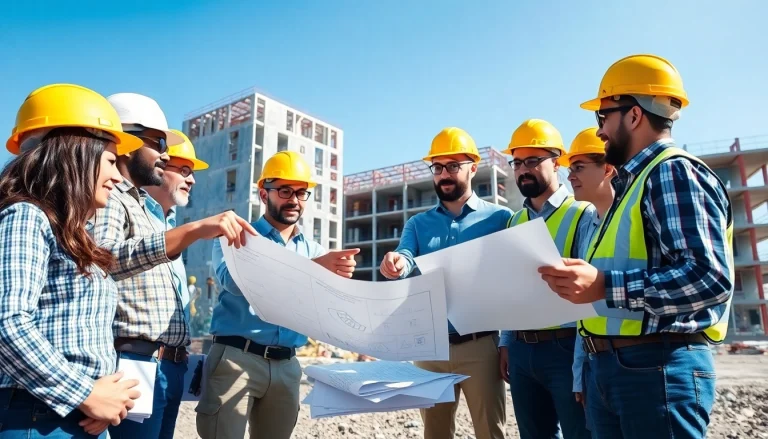
Structural welders can pursue various roles ranging from entry-level positions to specialized tasks. Responsibilities often include reading and interpreting blueprints, executing precise welds, maintaining welding equipment, and collaborating with structural engineers and other professionals to ensure work meets compliance standards.
Required Skills and Training
Acquiring a strong foundation in welding techniques, understanding metallurgy, and gaining practical experience are essential for success in this field. Many welders start with vocational training and pursue certification in specific welding processes, enhancing their employability and potential income outlook.
Future Trends in the Industry
The welding industry is evolving with the integration of advanced technologies such as automation and robotics, enhancing efficiency and precision in welding operations. Professionals will likely need to adapt their skills and knowledge to stay competitive in a rapidly changing market, embracing continuous learning and technology advancements.
Frequently Asked Questions About Structural Steel Welding
What type of welding is used for structural steel?
Common methods include manual arc welding and automatic welding, specifically tailored for structural applications to ensure strength and stability.
What does a structural steel welder do?
A structural welder joins steel parts to install frameworks, ensuring they are capable of bearing necessary loads in buildings and bridges.
Is structural welding a good career?
Yes, structural welding provides strong job security due to a high demand for skilled professionals in infrastructure and construction projects.
What are the benefits of structural steel welding?
Benefits include durability, cost-effectiveness, safety enhancements, and versatility across various applications in construction and manufacturing.
How can I get certified in structural steel welding?
Certification is achievable through accredited training programs followed by passing practical and theoretical examinations confirming proficiency.