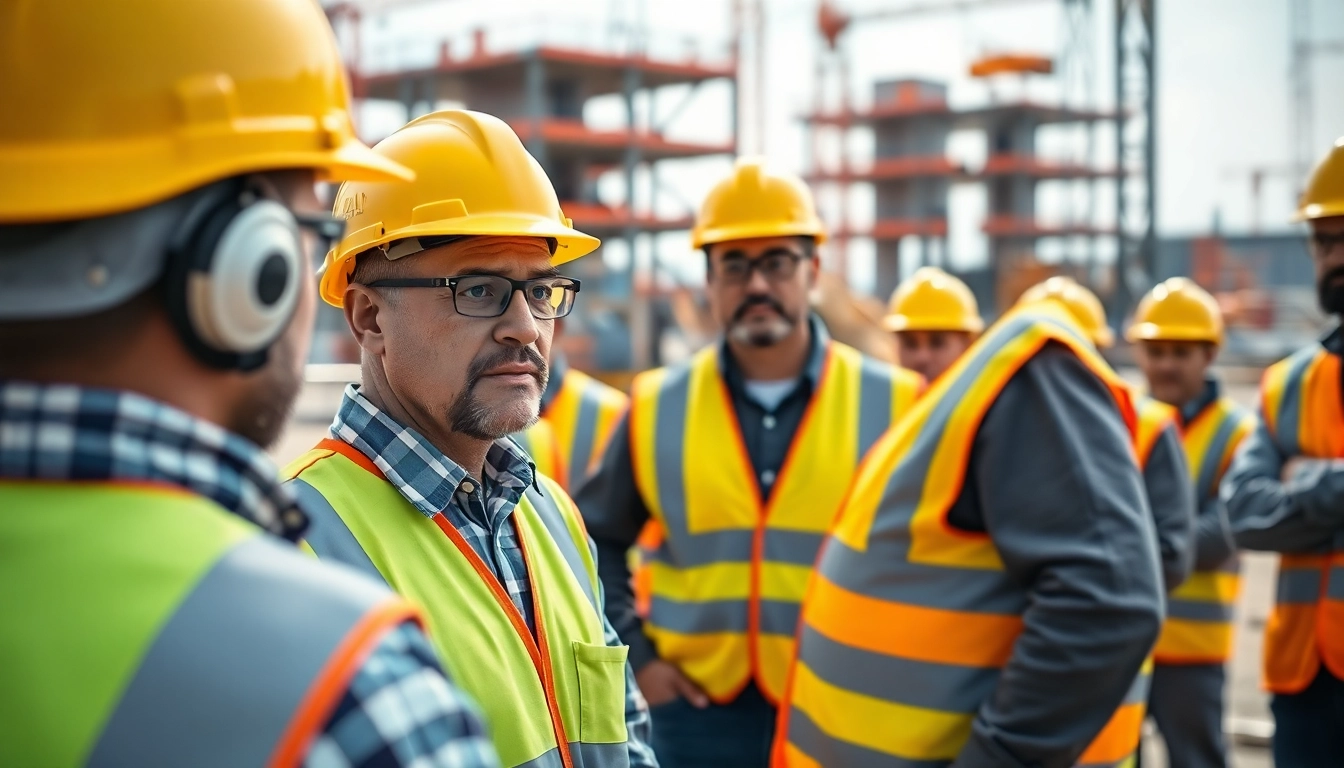
Importance of Construction Safety Training
Understanding the Need for Safety Measures
Construction work is inherently dangerous, with the risk of accidents looming over every job site. Each day, workers encounter various hazards, from heavy machinery to exposed electrical wiring. As such, construction safety training is not merely a regulatory requirement; it is a crucial aspect of protecting workers and ensuring project efficiency.
Understanding the need for safety measures in the construction sector begins with recognizing the nature of the work environment. The unpredictable nature of construction sites requires a proactive approach to safety. Workers must be equipped with the knowledge and skills to identify and mitigate risks effectively. This understanding translates into fewer accidents, reduced downtime, and ultimately, safeguarding lives.
Consequences of Poor Safety Practices
The consequences of neglecting safety training can be severe. Poor safety practices lead to accidents that can cause serious injuries or fatalities. Statistics reveal that the construction sector accounts for a significant portion of workplace injuries in the United States. According to the Occupational Safety and Health Administration (OSHA), one in ten construction workers is injured every year. This figure highlights the urgent need for comprehensive safety training.
Beyond the human cost, poor safety practices can have substantial financial implications for businesses. The costs associated with accidents include medical expenses, legal fees, increased insurance premiums, and work stoppages. Furthermore, companies may face reputational damage, resulting in a loss of future business opportunities. Therefore, the implications of inadequate safety training extend beyond individual workers and impact the overall health of the construction industry.
Regulatory Standards and Requirements
Regulatory bodies, including OSHA and local safety organizations, have established stringent safety standards governing the construction industry. These regulations mandate specific training programs for various activities, such as scaffolding operations, fall protection, and hazardous material handling. Adhering to these regulations ensures that workers are prepared to handle potential dangers effectively and instills a culture of safety within the organization.
Organizations that fail to comply with safety regulations risk facing penalties, including hefty fines and legal repercussions. Moreover, compliance with these standards is not only about avoiding penalties; it reflects a commitment to worker safety and operational excellence. By investing in safety training, construction firms demonstrate to their employees, clients, and stakeholders that they prioritize health and safety in their operations.
Essential Components of Effective Training Programs
Curriculum Development for Safety Training
A successful construction safety training program begins with a well-structured curriculum tailored to the specific needs of the workforce. The development of this curriculum should involve assessing the risks particular to the jobs being performed and understanding the demographics of the workforce, including their experience levels and cultural backgrounds.
Key topics to include in a comprehensive safety curriculum are:
- Understanding workplace hazards
- Emergency procedures and first aid
- Personal protective equipment (PPE) usage and maintenance
- Tool and equipment safety
- Safe lifting techniques and ergonomics
Incorporating interactive elements such as videos, case studies, and demonstrations will enhance engagement and retention. Regular reviews and updates to the curriculum are necessary to incorporate new regulations and emerging safety technologies.
Methods of Training Delivery
Training delivery can take various forms, including in-person workshops, online courses, and blended learning approaches that combine both. Each method has its advantages, and the choice often depends on the workforce's needs, job site logistics, and available resources.
In-person training allows for hands-on demonstrations and immediate feedback but can be logistically challenging. Conversely, online training offers flexibility and accessibility, allowing workers to complete modules at their own pace. Blended learning combines the best of both worlds, enabling workers to acquire theoretical knowledge online before applying it practically during in-person sessions.
Finally, safety drills and simulations should be integral to any training program. These practical exercises prepare workers for real-life scenarios and reinforce their learning, making it easier for them to remember the safety protocols when faced with actual hazards.
Utilizing Technology in Training
The integration of technology in safety training represents a transformative shift in how construction companies educate their workforce. Tools such as virtual reality (VR) and augmented reality (AR) create immersive learning environments where workers can experience and navigate potential hazards in a safe setting.
Additionally, mobile applications can facilitate on-the-go training and provide real-time safety information. These platforms can also include quizzes and assessments to reinforce learning and gauge worker understanding of safety protocols. Data analytics derived from these training apps can provide insights into areas that require additional focus or improvement.
Best Practices for Conducting Safety Training
Pre-Training Assessments and Preparation
Before conducting safety training, it is crucial to perform pre-training assessments to understand the current knowledge levels and attitudes of the workforce toward safety. Surveys or informal interviews can help gauge perceptions of safety and identify any existing gaps in knowledge. This initial assessment allows trainers to tailor the program to meet the specific needs of the participants, enhancing its effectiveness.
Moreover, preparing the training environment is equally important. Training sessions should take place in a conducive setting, free from distractions, and equipped with the necessary tools and materials. Clear communication of training objectives and expectations before the session helps set the stage for a focused and productive learning environment.
Engaging Training Techniques
Engagement is key to effective training. Utilizing diverse training techniques can help maintain participant interest and enhance knowledge retention. Techniques include interactive discussions, group activities, role-playing, and quizzes. Incorporating multimedia presentations, real-life case studies, and guest speakers can also enrich the experience.
To foster a culture of safety, encourage participation and feedback throughout the training. Create an open forum for questions and discussions, allowing workers to share their experiences and insights. This participatory approach not only enhances learning but also strengthens team dynamics and improves communication regarding safety on-site.
Follow-Up and Continuous Improvement
After the initial training session, follow-up is vital to reinforce learning and maintain safety standards. Providing refresher courses, regular safety meetings, and ongoing support ensures that the knowledge gained is applied effectively on the job.
Continuous improvement in training programs can be achieved by soliciting feedback from participants. Surveys and informal discussions can help identify strengths and areas for enhancement. Adjustments based on this feedback demonstrate a commitment to employee input and highlight a proactive approach to safety.
Evaluating the Effectiveness of Safety Training
Metrics to Measure Success
To determine the success of safety training initiatives, it is essential to establish clear metrics for evaluation. These metrics may include the reduction in workplace incidents, employee retention rates, and the completion rates of training programs. Analyzing incident reports before and after training can provide quantifiable evidence of its impact.
Other relevant metrics include employee knowledge assessments, observed compliance with safety practices, and employee feedback regarding confidence in handling safety issues. By measuring these factors, organizations can assess the overall effectiveness of their training programs and make informed decisions on necessary improvements.
Feedback Mechanisms and Adjustments
Having a structured feedback mechanism allows organizations to continuously refine their safety training programs. Providing avenues for employees to express their views on training content, delivery, and applicability is essential for systematic improvement.
Additionally, conducting regular reviews of policies and safety practices can help organizations stay current with emerging trends and best practices within the industry. Adjusting training programs based on feedback and industry changes is crucial for maintaining a robust and effective safety culture.
Case Studies of Successful Training Implementation
Many construction companies have successfully implemented comprehensive safety training programs, yielding measurable improvements. For instance, a leading construction firm in the U.S. saw a 40% reduction in workplace injuries after implementing a new safety training curriculum tailored specifically to their team’s needs, which included both theoretical and practical learning elements.
Case studies like this provide invaluable insights into best practices and can serve as a blueprint for other organizations looking to enhance their safety training initiatives. Documenting and sharing these successes encourages a culture of safety across the industry.
Building a Safety Culture on Construction Sites
Leadership’s Role in Promoting Safety
Leaders play a pivotal role in establishing and promoting a safety culture on construction sites. Their commitment to safety should be evident in their actions and communications. Leaders need to continually model safe behaviors and demonstrate the importance of safety protocols through their everyday conduct.
Moreover, effective leaders should actively engage with employees regarding safety practices, encouraging open communication and promoting a sense of shared responsibility. Regularly checking in on workers, asking about their concerns, and visibly supporting safety initiatives cultivates trust and instills a positive safety culture.
Encouraging Worker Participation and Feedback
Encouraging worker participation in safety discussions fosters a culture where safety becomes everyone’s responsibility. Initiatives such as safety committees or suggestion boxes invite input from employees and empower them to voice their concerns and ideas. Such engagement not only enhances safety protocols but also increases morale and employee buy-in.
Recognizing and rewarding safe practices among workers can further motivate them to prioritize safety. Implementing peer-to-peer recognition programs can create a community-focused approach toward maintaining safety on-site.
Long-Term Strategies for Sustaining Safety Awareness
Building a safety culture is an ongoing process that requires continuous effort. Long-term strategies for sustaining safety awareness include regular training refreshers, incorporating safety discussions into daily briefings, and celebrating safety achievements as a team. Setting clear safety goals and regularly reviewing progress ensures that safety remains a priority within the organization.
Moreover, staying abreast of industry trends and safety innovations can inform ongoing improvements to safety practices. Emphasizing the importance of mental health and well-being in addition to physical safety also contributes to a holistic approach to safety culture in construction.