Understanding the Island Light Fixture
What is an Island Light Fixture?
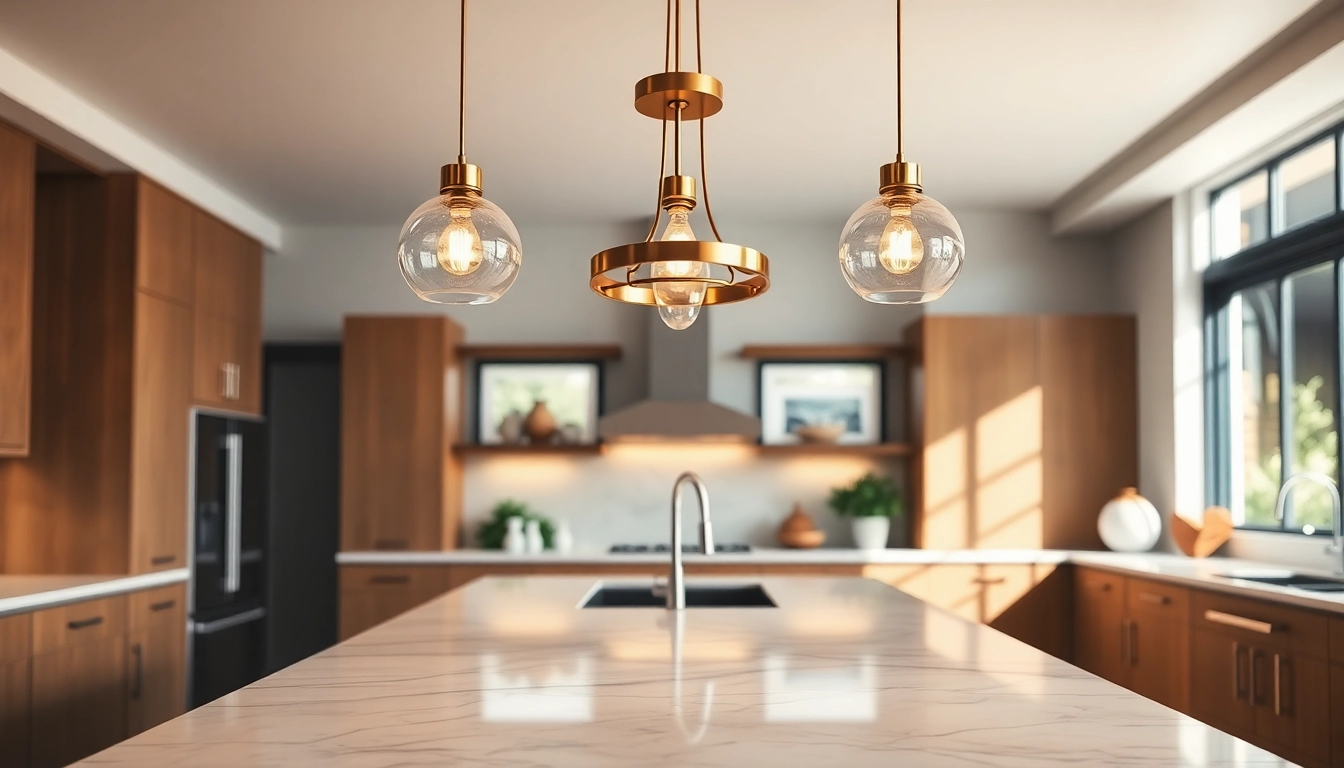
An island light fixture is a specialized lighting design primarily used in the kitchen, particularly over an island or countertop. It is typically characterized by a linear or rectangular shape and serves both aesthetic and functional purposes. These fixtures illuminate workspaces and enhance the overall design of the kitchen, providing ambient, task, or accent lighting. Available in various materials, styles, and finishes, an island light fixture can be a statement piece, drawing attention to the heart of the home.
Importance of Lighting in Kitchen Design
Lighting plays a crucial role in kitchen design. It not only affects the ambiance but also enhances functionality. Adequate lighting improves visibility, essential for food preparation and cooking, especially in areas with less natural light. It contributes to the kitchen’s aesthetics, creating a welcoming environment. Moreover, proper layering of light—comprising ambient, task, and accent lighting—ensures that every corner of the kitchen is visible and inviting. An island light fixture is central to this design, bridging style and utility.
Common Styles of Island Light Fixtures
Island light fixtures come in a variety of styles, each lending a unique character to kitchen spaces. Here are some popular styles:
- Pendant Lights: Often used in clusters, these fixtures offer a stylish focal point while providing direct lighting.
- Chandeliers: These elaborate fixtures can add a touch of elegance and sophistication, suitable for both modern and traditional settings.
- Linear Lights: Ideal for longer islands, linear fixtures provide balanced lighting across the entire surface.
- Flush Mounts: These fixtures blend seamlessly into the ceiling for a minimalist look, ideal for low ceilings.
- Track Lighting: Versatile and adjustable, track lighting can highlight different areas of the kitchen as needed.
Choosing the Right Island Light Fixture
Factors to Consider When Selecting
When selecting an island light fixture, several factors should be considered to ensure that it complements the kitchen's overall design and meets functional needs:
- Functionality: Determine whether the fixture is mainly for task lighting, ambient lighting, or decorative purposes.
- Style: Match the fixture style to the kitchen's design theme, ensuring it enhances rather than detracts from the surroundings.
- Size and Proportions: The scale of the fixture should be appropriate for the size of the island, ensuring it does not overwhelm or feel insignificant.
- Height: Consider the ceiling height and how the fixture will look at different heights above the island.
- Light Bulb Type: Choose the right light bulb, as it affects brightness and energy efficiency.
Size and Scale for Your Space
Size and scale are pivotal when selecting an island light fixture. A fixture should complement the island while providing sufficient illumination. As a general rule, aim for 30 to 36 inches above the countertop, maintaining proportional height relative to the island size. For longer islands, multiple fixtures may be necessary to ensure even lighting distribution. Conversely, a small fixture over a large island can lead to inadequate lighting and an unbalanced aesthetic.
Color and Material Matching Tips
Matching colors and materials is essential in creating a cohesive look within your kitchen. Here are some critical considerations:
- Metal Finishes: Ensure that the metal finish of the light fixture complements other hardware in the kitchen, such as cabinet handles and faucets.
- Glass and Shade Colors: Choose shades that harmonize with the kitchen's color palette. Clear glass can offer a modern touch, while opaque materials may provide softer lighting.
- Wood Elements: If your kitchen has wooden elements, consider using wood accents in your light fixture for a seamless blend.
- Overall Aesthetic: Think about the theme—be it rustic, contemporary, or industrial—and select materials that resonate with that style.
Installation Guidelines for Island Light Fixtures
Necessary Tools and Equipment
Installing an island light fixture can be a manageable DIY project provided you have the right tools and equipment. Here’s a list of necessary items:
- Measuring tape
- Drill and bits
- Screwdriver
- Wire cutter/stripper
- Mounting hardware
- Voltage tester
- Ladder (if ceiling height requires)
Step-by-Step Installation Process
Follow these steps for a safe and effective installation of your island light fixture:
- Turn Off Power: Ensure the power is turned off at the circuit breaker before beginning the installation.
- Measure and Mark: Determine the height at which you want to install the fixture and mark it on the ceiling.
- Mount the Fixture: Attach the mounting bracket to the junction box in the ceiling, ensuring it is secure.
- Connect the Wires: Carefully connect the wires of the light fixture to the corresponding wires in the ceiling (black to black, white to white, and green to ground).
- Test the Fixture: Restore power at the circuit breaker and test the fixture to confirm it operates correctly.
- Attach the Shade: If using a pendant or a fixture with shades, attach them according to the manufacturer's instructions.
- Screwing the Bulbs: Insert the appropriate bulbs into the fixture, making sure they’re tightened securely and correctly installed.
- Final Checks: Double-check for any loose connections and ensure all components are securely in place before finishing.
Safety Tips During Installation
Safety should be your primary concern during electrical work. Here are some invaluable safety tips:
- Always turn off the power before beginning.
- Use insulated tools to prevent electrical shocks.
- Follow manufacturer's instructions carefully.
- Ensure proper grounding to prevent electrical hazards.
- If unsure about any step, consider consulting a professional electrician.
Maintaining Your Island Light Fixture
Cleaning Techniques for Different Materials
Regular maintenance is essential to keep your island light fixture looking its best. Here are some effective cleaning techniques for various materials:
- Glass Fixtures: Use a soft cloth and a mild detergent diluted in water. Avoid harsh chemicals that may scratch or discolor.
- Metal Fixtures: Wipe with a damp cloth. For tarnished metals, you may use a metal cleaner specifically designed for that finish.
- Wood Enclosures: Dust regularly and occasionally polish with wood cleaner to maintain its luster.
- Fabric Shades: Vacuum gently or use a lint roller to remove dust and debris. Clean with a damp cloth if necessary, ensuring it's completely dry before turning on.
Common Repairs and How to Handle Them
Over time, you may encounter issues with your island light fixture. Here are some common repairs and solutions:
- Flickering Light: This could indicate a loose bulb; try tightening it. If the problem persists, check the wiring or replace the bulb.
- Burned Out Bulbs: Regularly check and replace any burnt bulbs promptly to maintain adequate lighting.
- Rust or Corrosion: For metal fixtures, promptly clean and apply a protective coat to prevent further issues.
- Dimming or Flickering: If the fixture dims unexpectedly, it could indicate issues with the wiring. Consult a professional electrician for diagnosis and repair.
When to Replace Your Fixture
It’s essential to recognize when it’s time to replace your island light fixture. Signs include:
- Frequent bulb burnouts, indicating electrical issues.
- Appearance of rust, corrosion, or damage that cannot be repaired.
- Inadequate light output despite bulb changes.
- Outdated style that no longer aligns with your kitchen’s aesthetic.
FAQs About Island Light Fixtures
What type of bulbs should I use for an island light fixture?
LED bulbs are an excellent choice due to their energy efficiency and longevity, but it depends on the fixture's requirements. Consult the manufacturer's guidelines for specifics.
Can I install an island light fixture myself?
Yes, if you have basic electrical knowledge and the right tools. Follow instructions carefully and prioritize safety by turning off the power before starting.
How high should an island light fixture be hung?
Generally, between 30 to 36 inches above the countertop is ideal for providing effective task lighting while ensuring visibility without obstruction.
Are LED island light fixtures energy-efficient?
Yes, LED fixtures are highly energy-efficient, using significantly less electricity than traditional bulbs and offering longer lifespans, reducing replacement costs.
What styles work best in a modern kitchen?
Modern kitchens often favor sleek pendant lights, linear fixtures, or minimalist chandeliers, focusing on clean lines and simple designs to enhance the contemporary aesthetic.