Understanding Structural Steel Installation
Structural steel installation plays a critical role in the construction industry, serving as the backbone for various types of structures, from commercial buildings to bridges. With its impressive strength-to-weight ratio and versatility, structural steel is the preferred choice for many contractors and architects. Proper execution of structural steel installation ensures not only the stability of the finished project but also its safety and longevity.
The Importance of Structural Steel
The use of structural steel in construction cannot be overemphasized. It provides several advantages, including:
- Strength and Durability: Structural steel's inherent strength allows for the construction of taller and larger buildings without compromising stability.
- Design Flexibility: Steel can be molded into various shapes and sizes, enabling architects to push boundaries in their designs.
- Cost-Effectiveness: Due to its lighter weight and faster construction time, structural steel can reduce labor and material costs.
- Sustainability: Steel can be recycled and reused, making it an eco-friendly building material.
Key Components of Structural Steel Installation
Successful structural steel installation involves several key components:
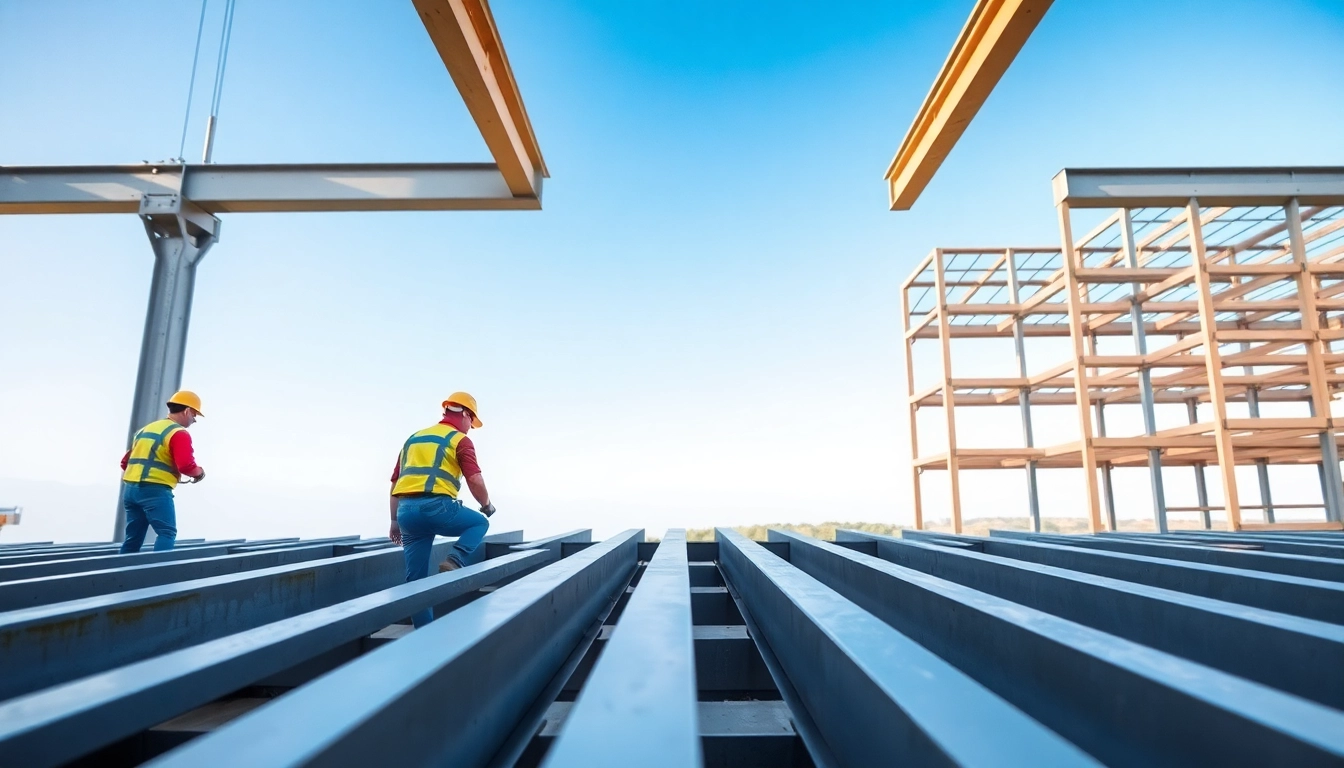
- Columns and Beams: The primary vertical (columns) and horizontal (beams) components that support the structure's weight.
- Braces: Structural braces provide stability against lateral forces.
- Connections: These include bolts, welds, and other elements that join beams, columns, and other components together, ensuring a solid framework.
Safety Considerations in Structural Steel Installation
Safety is paramount during every stage of structural steel installation. Key safety considerations include:
- Personal Protective Equipment (PPE): Workers should always wear appropriate PPE, including helmets, gloves, and harnesses when working at heights.
- Site Safety Plans: Comprehensive plans should be implemented to address potential hazards specific to the site and installation process.
- Training and Certifications: All personnel involved should have adequate training and certifications tailored to their roles in the installation process.
Preparation for Structural Steel Installation
Site Assessment and Planning
A thorough site assessment is crucial for the successful planning of a structural steel installation project. This includes evaluating the geographic location, soil conditions, and existing infrastructure. A well-prepared site assessment will identify potential challenges and inform necessary adjustments to the project design.
Pre-Erection Activities for Structural Steel Installation
Before steel components can be erected, several preparatory activities need to take place, including:
- Foundation Preparation: Ensuring the foundation is properly set and cured to support the weight of the steel structure.
- Material Delivery and Inspection: Receiving steel components and conducting inspections for quality assurance before installation.
- Assembly Planning: Developing a sequence for the installation process to minimize disruptions and maximize efficiency.
Design and Fabrication Factors
Effective design and fabrication are essential to a successful structural steel installation. Key factors include:
- Load Calculations: Engineers must calculate loads to ensure that the steel structure will withstand all anticipated forces.
- Fabrication Techniques: Different fabrication methods (e.g., welding, bolt connection) impact the ease and speed of installation.
- Compliance with Standards: Adhering to local building codes and regulations is vital for safety and legality.
Execution of Structural Steel Installation
Step-by-Step Process of Structural Steel Installation
The actual execution of structural steel installation can be broken down into a series of well-defined steps:
- Setting Up the Site: This includes erecting safety barriers and securing equipment.
- Column Installation: Lifting and securing vertical steel columns in place, ensuring they are plumb and level.
- Beam Placement: Installing horizontal beams between the columns and ensuring proper alignment.
- Bracing Installation: Adding braces that will provide stability to the frames.
- Connection Welding and Bolting: Connecting all the components ensuring they are securely fastened.
- Quality Check and Adjustment: Evaluating the structure to ensure everything is installed correctly before moving forward with the next steps.
Quality Assurance during Installation
Quality assurance is a vital aspect of structural steel installation, ensuring that each component meets the necessary standards. Activities within this stage include:
- Regular Inspections: Conducting visual and structural inspections at each stage of the installation process.
- Documentation of Procedures: Keeping detailed records of installation procedures and quality checks for future reference.
- Testing Load Capacity: Post-installation testing may be required to verify structural integrity.
Common Challenges and Solutions
Despite careful planning, challenges may arise during structural steel installation. Some common issues include:
- Weather Delays: Inclement weather can halt construction; implementing a flexible schedule can alleviate these issues.
- Material Shortages: Effective supply chain management and backup sourcing can help mitigate this problem.
- Workforce Management: Conflicts and miscommunications can impede progress; fostering a collaborative work environment is essential.
Post-Installation Best Practices
Inspection and Maintenance Protocols
Once structural steel installation is completed, ongoing inspection and maintenance are vital for prolonging the life of the structure. Key protocols include:
- Scheduled Inspections: Regular evaluations should be performed to check for rust, corrosion, and structural integrity.
- Maintenance Cleaning: Keeping the structure clean and free of debris to prevent deterioration.
- Repair Plans: Developing a comprehensive plan for addressing any issues that arise during inspections.
Documentation and Compliance Requirements
Proper documentation is critical throughout the lifespan of a structural steel installation. These documents should include:
- Installation Records: Detailed records of all installation processes and changes made during the project.
- Compliance Checklists: Tools to ensure all local codes and regulations are met.
- Warranties and Service Records: Documentation of warranties on materials and services that cover the installation.
Case Studies of Successful Structural Steel Installation
Learning from successful case studies can provide valuable insights into best practices for future projects. Consider documenting significant projects that highlight effective planning, execution, and key learning points. Such studies can involve:
- Innovative Techniques: Projects that successfully employed cutting-edge technology in design and installation.
- Time-Critical Installations: Instances where expedited timelines were effectively managed.
- Cost Savings: Noteworthy projects that showcased efficient resource management leading to reduced costs.
Future Trends in Structural Steel Installation
Innovations in Construction Technologies
The construction industry is continuously evolving, with new technologies emerging that can enhance structural steel installation processes. Notable innovations include:
- BIM (Building Information Modeling): This technology allows for precise planning and collaboration among all stakeholders, reducing errors and improving efficiency.
- 3D Printing: Emerging 3D printing technologies may facilitate faster production of complex steel components.
- Robotics: The integration of robotics in construction can revolutionize the way installations are performed by increasing precision and safety.
Eco-Friendly Practices for Structural Steel Installation
As sustainability becomes increasingly crucial in construction, eco-friendly practices are gaining prominence. Key initiatives include:
- Recycling Materials: Utilizing recycled steel and other sustainable materials can significantly reduce the environmental footprint of a project.
- Energy Efficiency: Implementing energy-efficient practices during installation can lead to lower operation costs and environmental impact.
- Green Building Certifications: Aiming for certifications such as LEED can guide sustainable practices throughout the project.
Training and Certification for Industry Professionals
The future of structural steel installation depends heavily on a well-trained workforce. Investing in continuous education for industry professionals ensures skills are updated to meet evolving standards. Key aspects include:
- Workshops and Training Programs: Regularly hosting workshops to develop skills necessary for new technologies and methodologies.
- Certification Courses: Encouraging employees to pursue relevant certifications that enhance their qualifications and expertise.
- Mentorship Initiatives: Establishing mentorship programs for experienced professionals to guide new entrants in the industry.