Understanding Structural Steel Installation
Structural steel installation is a critical aspect of the construction and engineering industries. This process not only lays the physical groundwork for a building but also ensures its integrity and longevity. Depending on the scope of a project, understanding the nuances of structural steel can streamline the entire construction process, leading to enhanced efficiency and reduced overall costs. In this article, we will delve into the various components of structural steel installation, covering everything from preliminary planning to executed installation practices.
What is Structural Steel?
Structural steel is a category of steel used as a construction material for making framework and structures. It is essential due to its high strength-to-weight ratio, ability to withstand heavy loads, and versatility. Common types include rolled steel sections, steel plates, and steel bars, each serving specific applications depending on the design and structural requirements. The fabrication process includes designing, manufacturing, and sometimes pre-assembling structural steel components to be ready for installation at the construction site.
Benefits of Using Structural Steel
The advantages of using structural steel are manifold:
- Durability: Structural steel has a long lifespan due to its resilience against various weather conditions and structural damages.
- Flexibility: It can be molded into various shapes, allowing creative freedom in structural designs.
- Cost-Effectiveness: While initial costs may be higher compared to other materials, the durability and speed of installation can lead to significant savings over a project’s lifecycle.
- Speed of Construction: Structural steel components are often fabricated off-site, allowing for quicker assembly on-site and diminishing overall project timelines.
- Sustainability: Steel is recyclable and can contribute towards sustainable building practices.
Common Applications and Industries
Structural steel is integral in a multitude of settings, including:
- Commercial Buildings: Skyscrapers and office buildings frequently utilize structural steel due to its strength and ability to support large spans.
- Industrial Facilities: Factories and warehouses often employ steel frameworks for their large open spaces.
- Bridges: The inherent strength of structural steel makes it an ideal material for bridge construction.
- Residential Construction: Increasingly, homes are also being built with structural steel for long-lasting results.
Planning Your Structural Steel Installation
Successful structural steel installation begins long before the first piece of steel is lifted into place. Planning requires meticulous attention to detail and a comprehensive understanding of the project's scope and requirements.
Site Assessment and Preparation
A thorough assessment of the site is essential prior to installation. Factors to consider include:
- Soil Quality: Understanding soil bearing capacity informs the design of the foundation and any necessary ground treatments.
- Access Points: Evaluating how materials will be transported to and from the site minimizes delays during installation.
- Local Regulations: Compliance with zoning and building codes should be assessed to prevent legal complications.
Choosing the Right Steel Products
Different projects require different steel products. Here are some considerations:
- Grade of Steel: The grade influences the steel’s yield strength and resistance to certain environments.
- Coating and Treatments: Protective coatings may be necessary depending on environmental exposure, such as corrosion-resistant coatings for coastal areas.
- Connection Methods: Determine if welding, bolting, or a combination of techniques will be employed in assembly.
Developing a Detailed Installation Plan
Creating a detailed installation plan involves mapping out each phase of the installation process, including timelines, labor requirements, and equipment needed. Consideration should also be given to:
- Sequencing: The order of operations plays a critical role in efficiency and safety. Early planning can prevent bottlenecks.
- Resource Allocation: Knowing when to deploy labor and equipment is essential to maintain project momentum.
- Communication Channels: Establishing clear lines of communication among all parties involved will facilitate a smoother installation process.
Executing the Installation Process
Execution of the installation process is where all planning comes to fruition. This stage demands focus on safety, efficiency, and quality assurance.
Key Equipment for Steel Installation
Some essential equipment used in structural steel installation includes:
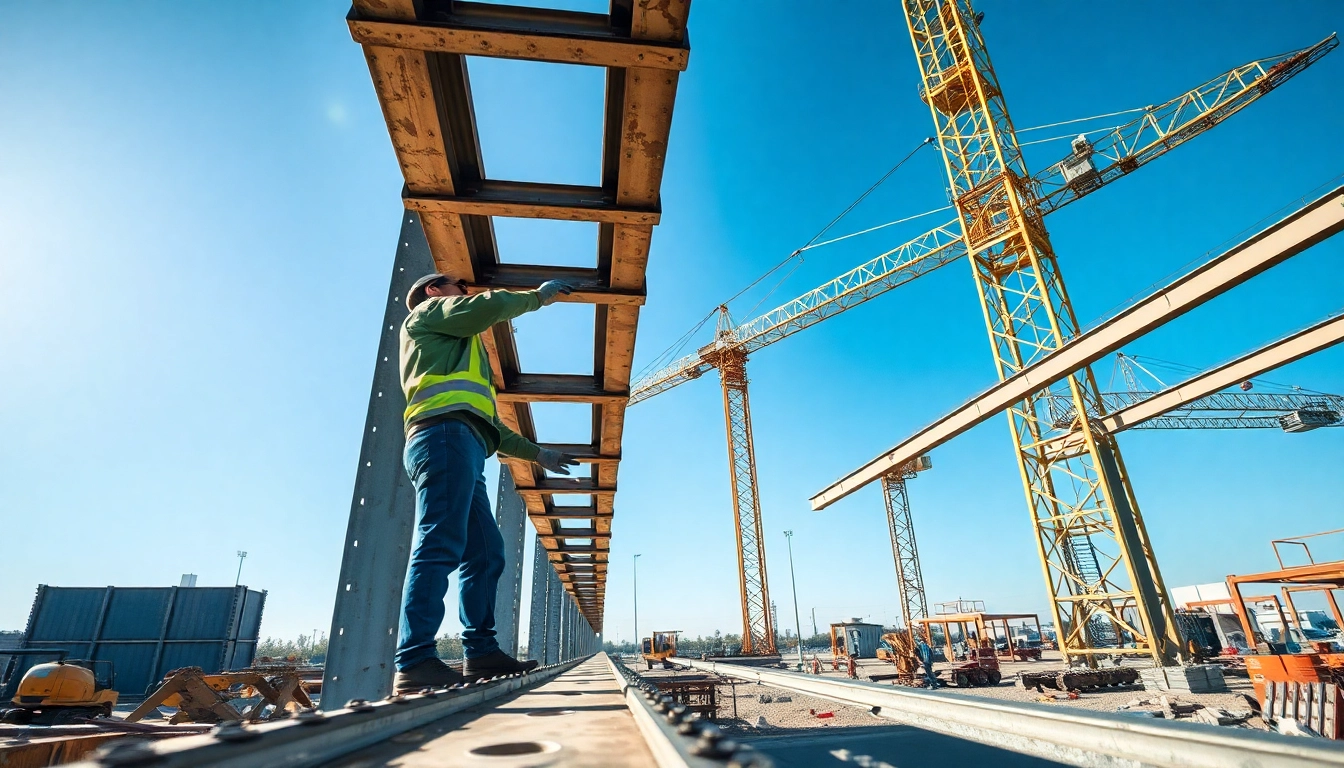
- Cranes: To lift and maneuver steel beams into position.
- Forklifts: For transporting steel components around the site.
- Welding Machines: For joining steel parts when permanently attaching them.
Safety Protocols During Installation
Ensuring safety during structural steel installation is paramount. Key protocols include:
- Personal Protective Equipment (PPE): Hard hats, gloves, and safety glasses should be mandatory.
- Fall Protection: Systems such as harnesses and guardrails must be in place, especially for work at heights.
- Regular Safety Audits: Ongoing assessments of risks and hazards help maintain a safe working environment.
Best Practices for Effective Installation
Implementing best practices during installation can mitigate mistakes and enhance the quality of the project:
- Frequent Alignment Checks: Regularly check the alignment of steel components during installation to avoid structural issues.
- Documentation: Keep accurate records of all materials used, changes made, and inspections conducted.
- Collaboration: Foster teamwork among all trades involved to streamline operations and handle challenges effectively.
Challenges in Structural Steel Installation
Despite comprehensive planning and execution, challenges may arise during structural steel installation. Understanding these challenges allows for proactive management.
Common Issues and How to Overcome Them
Some prevalent issues that can occur include:
- Delays in Material Delivery: To combat potential delays, maintain strong communication with suppliers and consider alternative suppliers as backups.
- Design Changes: Encourage open communication to handle design modifications efficiently, ensuring all parties are on the same page.
- Worker Shortages: A robust recruitment strategy and fostering a positive work environment can alleviate labor shortages.
Impact of Weather on Installation
Weather can significantly impact structural steel installation. Rain, snow, or extreme temperatures can pose risks to safety and structural integrity. Strategies to minimize weather impact include:
- Weather Forecasting: Keeping abreast of weather conditions can assist in planning work schedules.
- Material Protection: Implementing protective measures, such as tarps or tents, can safeguard materials from adverse conditions.
Addressing Regulatory Compliance
Adherence to local regulations and codes is vital in structural steel installation. This includes obtaining necessary permits and ensuring construction meets safety standards. Engaging with compliance experts can facilitate adherence to all statutory requirements.
Measuring Success in Structural Steel Projects
To ensure that your structural steel projects are successful, establishing clear performance metrics is essential.
Performance Metrics to Consider
Key metrics to evaluate include:
- Time Efficiency: Measure the timeline against initial projections to identify any deviations.
- Cost Analysis: Analyze final costs in relation to initial budgets.
- Quality Assessment: Conduct inspections and quality checks to ascertain structural integrity and craftsmanship.
Evaluating Project Outcomes
After completion, a detailed evaluation should be performed that considers:
- Stakeholder Satisfaction: Gather feedback from clients and team members to assess the overall satisfaction with the project.
- Post-Installation Inspections: Conduct thorough inspections post-installation to identify any issues requiring rectification.
Continuous Improvement Strategies
To ensure future projects benefit from prior experiences, implementing continuous improvement strategies is vital. This could involve:
- Lessons Learned Sessions: Regularly conduct post-project meetings to discuss what went well and areas for improvement.
- Update Procedures and Protocols: Revise installation protocols based on past learning to enhance future project execution.