

In today’s fast-paced world, ensuring the safety of your home has never been more critical. With evolving technology and increasing urbanization, traditional locks and alarms are no longer sufficient. Modern homeowners are seeking comprehensive solutions that combine convenience, intelligence, and real-time responsiveness. In 2025, Home Security is not just about protection—it’s about proactive prevention, seamless integration, and intelligent monitoring. This article dives deep into the innovations redefining home security and why they are essential for every modern household.
- The Evolution of Home Security
- Smart Home Integration and Home Security
- AI and Predictive Security Systems
- Biometric Authentication: Next-Level Home Access
- Advanced Surveillance Cameras and Monitoring
- Cybersecurity and Smart Home Protection
- Environmental Sensors and Disaster Preparedness
- Mobile Apps and Remote Management
- Energy Efficiency and Sustainable Security
- Cloud-Based Storage and Data Analytics
- The Future of Home Security: AI, Automation, and Connectivity
- Choosing the Right Home Security System
- The Cost of Advanced Home Security
- Benefits of Modern Home Security
- Conclusion
- Frequently Asked Questions (FAQs)
The Evolution of Home Security
The history of home security reflects a journey from simple mechanical locks to sophisticated digital ecosystems. In the past, homeowners relied heavily on physical barriers such as doors, locks, and window bolts. The introduction of alarm systems in the 20th century brought a new level of deterrence, alerting homeowners and authorities to unauthorized access. As the digital revolution gained momentum, smart technologies reshaped home security entirely. Today, integration with mobile apps, artificial intelligence, and cloud-based monitoring ensures that homeowners have real-time control and actionable insights from anywhere in the world.
By 2025, home security is no longer reactive. Modern systems leverage predictive analytics, facial recognition, and automated responses to prevent incidents before they occur. The evolution has shifted the focus from merely protecting assets to enhancing the safety, convenience, and peace of mind of residents.
Smart Home Integration and Home Security
One of the most transformative aspects of home security in 2025 is the seamless integration with smart home ecosystems. Devices no longer operate in isolation; cameras, motion sensors, door locks, and lighting systems work cohesively to provide a synchronized and intelligent network of protection. Smart home hubs, powered by AI, allow homeowners to monitor every aspect of their property remotely and receive alerts about unusual activity.
For instance, modern smart locks can communicate with your security system to automatically lock doors when you leave and unlock them when you return. Smart lighting systems can simulate occupancy when you are away, deterring potential intruders. Integration with voice assistants like Alexa, Google Home, and Siri has also simplified management, allowing homeowners to control multiple home security devices through voice commands or mobile applications.
AI and Predictive Security Systems
Artificial intelligence is no longer an optional feature in home security; it is a cornerstone of modern safety. AI-powered cameras and sensors can distinguish between human activity, pets, and harmless environmental movement, reducing false alarms significantly. Predictive security systems analyze behavioral patterns over time and can alert homeowners to suspicious activities before they escalate.
For example, AI can detect when an unknown individual loiters near entry points or identify irregular delivery patterns. By continuously learning from historical data, AI systems improve their threat assessment accuracy, providing homeowners with confidence that their security network is intelligent and adaptive. Predictive alerts also allow authorities to respond faster, minimizing the impact of potential breaches.
Biometric Authentication: Next-Level Home Access
Traditional keys and passwords are increasingly becoming outdated. Biometric authentication has emerged as a revolutionary element of home security in 2025. Fingerprint scanners, facial recognition cameras, and retina scanners provide secure, convenient, and virtually unhackable access control. Unlike conventional locks, biometric systems ensure that only authorized individuals can enter your home.
Beyond entry points, some systems now integrate biometric verification for home devices and safes. This ensures that critical areas within the home, such as medicine cabinets or personal storage, remain protected from unauthorized access. Biometric technology not only enhances security but also provides seamless convenience, eliminating the need to carry physical keys or remember complex passwords.
Advanced Surveillance Cameras and Monitoring
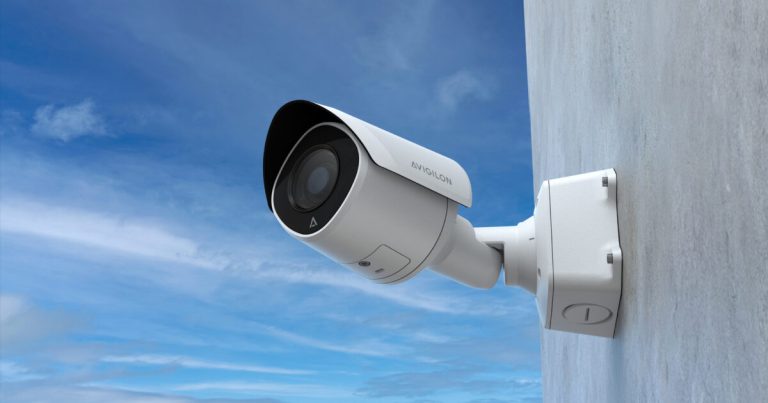
Surveillance technology has reached new heights in 2025, offering high-definition, AI-enhanced, and cloud-connected cameras that can monitor your property 24/7. Unlike early security cameras, modern devices can detect subtle movements, recognize faces, and even differentiate between various types of threats.
360-degree cameras provide panoramic coverage, eliminating blind spots and ensuring no corner of your home is left unmonitored. Thermal imaging cameras, previously reserved for professional use, have become more accessible, allowing homeowners to detect intruders in low-light conditions. These cameras integrate seamlessly with mobile apps, offering live feeds, instant alerts, and historical playback for evidence collection.
Cybersecurity and Smart Home Protection
As home security systems become more connected, cybersecurity has become a critical concern. Hackers can potentially exploit vulnerabilities in smart home devices, putting homeowners at risk. In 2025, advanced home security solutions are designed with robust encryption, multi-factor authentication, and secure cloud storage to protect data integrity.
Homeowners are increasingly adopting dedicated cybersecurity software alongside physical security systems. Network monitoring tools can identify unusual activity, such as unauthorized access attempts, and alert users before a breach occurs. By combining physical and digital security measures, modern homes achieve a holistic level of protection that is both intelligent and resilient.
Environmental Sensors and Disaster Preparedness
Modern home security extends beyond intrusions to include environmental safety. Smart sensors now detect fire, smoke, carbon monoxide, water leaks, and even extreme weather conditions. These systems integrate with emergency response services and notify homeowners in real-time, allowing them to take immediate action.
For instance, a water leak sensor can detect flooding early and automatically shut off the main water supply to prevent extensive damage. Similarly, connected smoke detectors can provide precise alerts about the location of fire, enabling quicker evacuation. Environmental sensors represent a proactive approach to safety, ensuring that your home is protected from both human and natural threats.
Mobile Apps and Remote Management
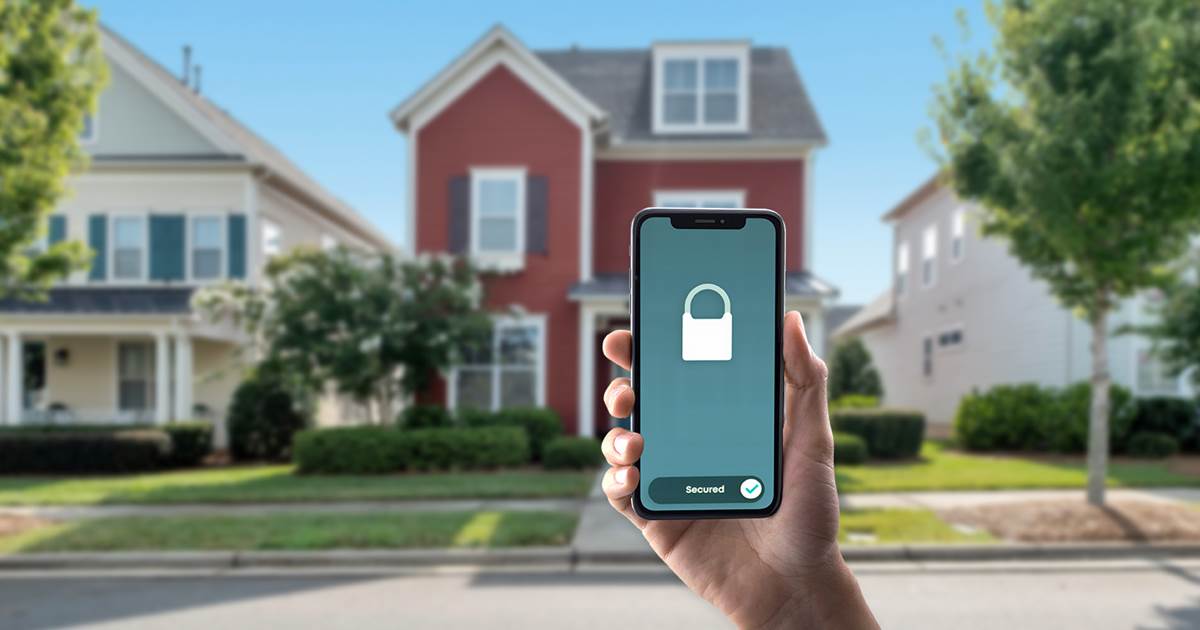
One of the most convenient aspects of modern home security is mobile app integration. Homeowners can now monitor cameras, lock or unlock doors, and receive instant notifications about suspicious activity from anywhere in the world. The ability to control your security system remotely not only increases convenience but also provides peace of mind.
Mobile apps have become more sophisticated, offering features such as geofencing, automated routines, and integration with other smart home devices. For example, your home security system can automatically activate surveillance cameras, lock doors, and turn on lights when you leave the house. This level of automation reduces human error and ensures consistent protection.
Energy Efficiency and Sustainable Security
Sustainability is increasingly influencing home security design. Solar-powered cameras, energy-efficient sensors, and battery-backed systems are becoming more common, allowing homeowners to maintain high levels of security without increasing energy consumption.
In 2025, security devices are designed to operate efficiently while minimizing environmental impact. Homeowners can choose systems that balance energy efficiency with robust performance, ensuring that sustainability and security coexist seamlessly. This approach not only protects your property but also supports broader environmental responsibility.
Cloud-Based Storage and Data Analytics
Cloud technology has transformed the way home security systems store and analyze data. Modern cameras and sensors now upload footage and event logs to secure cloud servers, allowing homeowners to access historical data easily. Cloud storage eliminates the need for bulky physical devices and ensures that critical evidence is not lost during system failures.
Additionally, data analytics enable homeowners to gain actionable insights. Patterns such as frequent access times, unusual movements, and recurring alerts are analyzed to optimize security protocols. This data-driven approach ensures that your home security system evolves alongside your lifestyle and risk profile.
The Future of Home Security: AI, Automation, and Connectivity
Looking forward, home security in 2025 is poised to become even more intelligent, interconnected, and proactive. The integration of AI with predictive analytics, automation, and seamless connectivity promises homes that are self-aware and self-protective.
Imagine a home where cameras, sensors, locks, and environmental monitors communicate in real-time, detecting potential threats and taking preventive measures automatically. Advanced AI algorithms can anticipate intrusions based on neighborhood trends or unusual behavior patterns, reducing the need for constant human oversight.
Connectivity between smart home devices ensures that your entire home ecosystem works harmoniously. Lights, alarms, cameras, and locks respond to your routines, creating a dynamic security environment tailored specifically to your household.
Choosing the Right Home Security System
Selecting the ideal home security system in 2025 requires careful consideration. Factors such as home size, family lifestyle, neighborhood safety, and technological comfort must all be evaluated. A comprehensive system should provide physical security, intelligent monitoring, and cybersecurity measures.
When choosing a provider, look for companies with strong reputations, robust customer support, and a commitment to ongoing software updates. Modern systems are an investment in your safety, and it is crucial to select a solution that adapts to future technological advancements.
Professional installation is recommended for complex systems, but many devices now offer user-friendly setup options. Ultimately, the best home security system combines technology, reliability, and ease of use to provide peace of mind for every homeowner.
The Cost of Advanced Home Security
While advanced home security systems may seem expensive, they provide value that goes beyond traditional measures. Costs vary depending on the complexity of the system, the number of devices, and the level of AI integration.
Investing in a comprehensive solution can prevent costly damage, theft, and personal loss. Subscription services for cloud storage, monitoring, and software updates are typically included in modern systems, ensuring long-term protection. Homeowners must consider security as a holistic investment rather than a one-time expense, recognizing that technology in 2025 delivers unmatched reliability and intelligence.
Benefits of Modern Home Security
The benefits of contemporary home security systems extend far beyond burglary prevention. Modern systems provide peace of mind, convenience, and even lifestyle enhancements. Families can monitor children, elderly relatives, or pets remotely. AI and automation reduce human error and respond to emergencies faster than traditional methods.
Environmental sensors safeguard against disasters, and mobile apps provide real-time control, making daily routines more manageable. In essence, investing in a modern home security system is an investment in overall home management, safety, and well-being.
Conclusion
In 2025, home security is more sophisticated, intelligent, and interconnected than ever before. From AI-powered monitoring and biometric access to smart home integration and environmental sensors, homeowners now have access to comprehensive systems that anticipate and prevent risks. Modern home security solutions are not merely reactive; they are proactive, adaptable, and designed to provide peace of mind in an increasingly unpredictable world.
Choosing the right system requires careful research, attention to integration capabilities, and consideration of both physical and digital security needs. The future of home security is here, and embracing these innovations ensures that your home, family, and assets remain safe, protected, and well-managed. You can find more details on our homepage.
Frequently Asked Questions (FAQs)
What is the most important feature of a modern home security system?
The most important feature of a modern home security system is intelligent monitoring combined with real-time alerts. Systems that integrate AI, predictive analytics, and smart home connectivity provide proactive protection rather than merely responding to breaches after they occur.
How does AI improve home security?
AI enhances home security by analyzing patterns, differentiating between threats and harmless movements, and predicting potential risks. This reduces false alarms and allows for faster, more precise responses to suspicious activity.
Are biometric locks more secure than traditional locks?
Yes, biometric locks, including fingerprint and facial recognition systems, provide higher security compared to traditional locks. They ensure that only authorized individuals can access your home, making them nearly impossible to duplicate or bypass.
Can I monitor my home security system remotely?
Absolutely. Modern home security systems integrate with mobile apps, allowing homeowners to monitor cameras, control locks, and receive instant alerts from anywhere in the world, providing convenience and peace of mind.
How can I protect my smart home devices from hacking?
Protecting smart devices involves using strong passwords, multi-factor authentication, regular software updates, and secure network connections. Choosing a system with encrypted communication and dedicated cybersecurity features ensures that your home security devices remain safe from digital threats.