Understanding Bass Behavior and Habitats
To effectively engage in fly fishing for bass, it is crucial to comprehend the behavior and environments of bass. Understanding this can enhance your chances of a successful catch. Bass are known for their variable habitats, which range from lakes to streams, and each environment influences their feeding patterns and life cycle.
The Life Cycle of Bass and Its Impact on Fishing
Bass typically go through several distinct stages in their life cycle: egg, fry, juvenile, and adult. Each stage presents different fishing opportunities. Bass spawn during spring when water temperatures rise to 60-75°F. During this time, males guard nests, making them more aggressive and vulnerable to angling. Understanding these life stages not only aids in targeting them more effectively but also provides insights into their feeding behavior at different times of the year.
The fry and juvenile stages, while less susceptible to fishing, are crucial as they significantly impact the adult population dynamics. Effective anglers will adjust their strategies to account for these behavioral changes throughout the bass life cycle. For instance, targeting adult bass during late spring when they are on the nests can yield significant results, while summer might require different tactics as bass retreat to cooler, deeper water.
Seasonal Patterns: Best Times for Fly Fishing for Bass
Each season affects bass behavior and the availability of suitable fishing conditions. Spring is often considered the prime time for bass fishing, especially as they spawn. In warmer weather, bass move into shallow waters to begin nesting, increasing feeding activity.
Summer presents different challenges, with bass retreating to deeper waters during the day to escape heat and increasing predator activity. Successful anglers transition to finding shaded or cooler spots to target bass. Fall brings about a feeding frenzy as bass prepare for winter, making it an exciting time for fly fishers. By understanding these seasonal shifts, anglers can better anticipate the most opportune moments for fly fishing.
Identifying Prime Locations for Catching Bass
Finding the right spot is essential for successful bass fishing. Key locations typically include structures such as submerged logs, weed beds, and rocky outcrops. These areas provide cover for bass, serving both as a hunting ground for prey and as protective habitats. Researching maps and using fish finders can help pinpoint these structures.
Additionally, understanding water temperature and quality is vital. Bass are sensitive to temperature changes, and their locations may shift accordingly. Factors such as current, oxygen levels, and aquatic vegetation should also be considered when scouting for the best fishing spots. Whether fishing in lakes, rivers, or ponds, mastering the art of location identification ensures a higher likelihood of a successful catch.
Essential Gear for Fly Fishing for Bass
Equipping yourself with the right gear is fundamental to successful fly fishing. An understanding of fly rods, reels, flies, and necessary accessories allows for a smoother, more enjoyable fishing experience.
Choosing the Right Fly Rod and Reel
Selecting a proper fly rod and reel is pivotal for targeting bass. Rods typically range from 8 to 10 feet in length for bass fishing, offering a balance between casting distance and accuracy. Rod weights of 7 to 9 are preferred, as they can handle heavier lines and larger flies, which are effective in attracting bass.
A quality reel is equally essential. Look for a reel that has a smooth drag system which can help in managing the fight of a larger bass. When selecting a rod and reel, ensure they are matched in terms of weight and size to achieve optimal performance. Investing in suitable gear not only enhances your fishing experience but also boosts your chances of landing that trophy bass.
Types of Flies That Attract Bass
Understanding which flies to use can significantly enhance your success in fly fishing for bass. Generally, streamers, poppers, and divers are popular choices. Streamers imitate baitfish, making them a go-to option for bass. Poppers create surface disturbances that can provoke a reaction strike, especially during active feeding periods.
For those fishing in deeper waters, divers that sink can reach bass that are holding at varying depths. Conditionally, the color and size of the flies should align with the local forage base and water clarity. Matching the hatch can prove crucial; observe local fish movements and adjust accordingly to enhance your catch rate.
Additional Accessories for an Enjoyable Experience
In addition to rods and flies, a range of accessories can contribute to a more enjoyable and efficient fishing experience. Tools such as pliers, forceps, and a good quality tackle box to organize flies are essential.
Polarized sunglasses are crucial for spotting fish and protecting your eyes from the sun's glare on water surfaces. A sturdy fly box will keep your various flies organized and easily accessible, enabling quick changes as required. Additionally, a comfortable vest or pack allows you to carry your gear effortlessly, thus enhancing your fishing day experience.
Techniques to Enhance Your Fly Fishing Skills
Improving your fly fishing techniques is vital for increasing your effectiveness on the water. By mastering the following skills, you can elevate your fishing game and become a more versatile angler.
Casting Techniques to Reach Bass
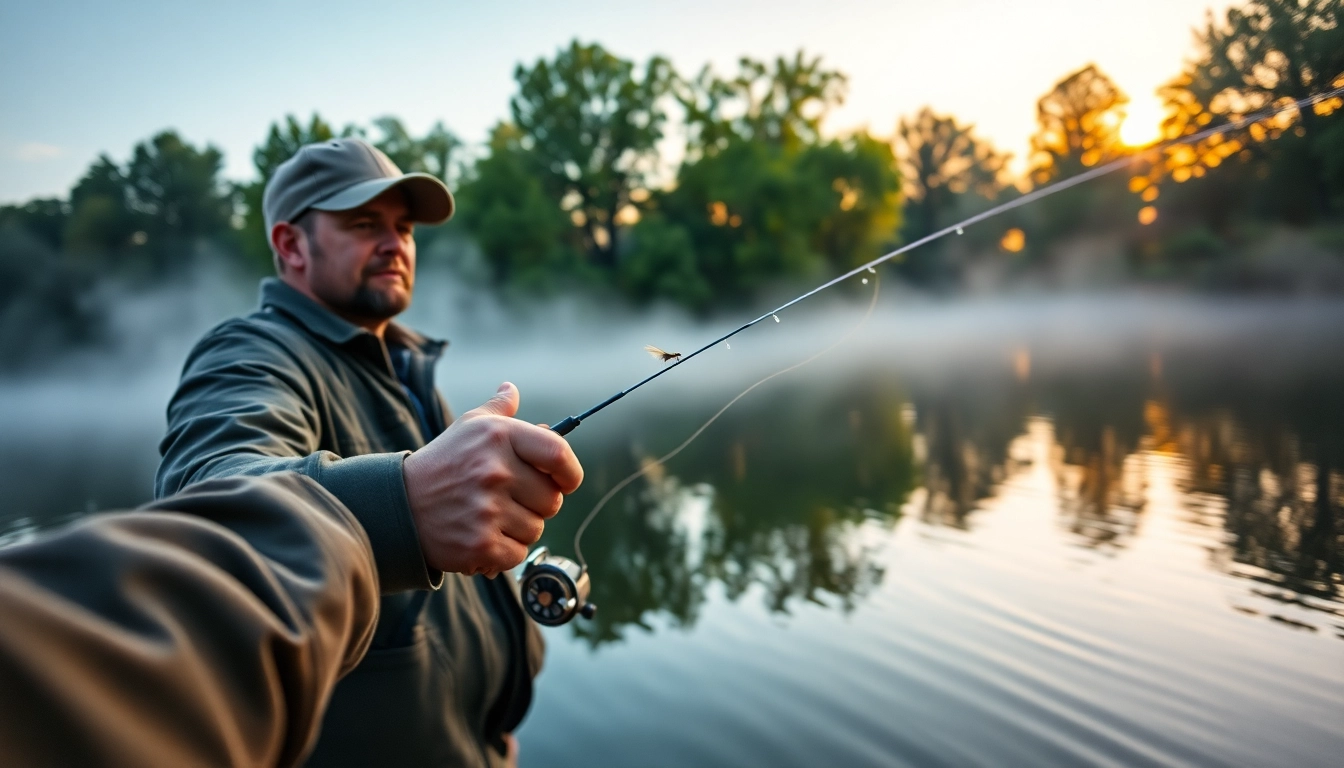
Effective casting is at the heart of fly fishing. Learning various casting techniques, such as the overhead cast, roll cast, and sidearm cast, allows for adaptable approaches based on the fishing conditions. Practicing your casting on open land will help you develop accuracy and distance, crucial for reaching those prime spots where bass are hiding.
Remember to keep your wrist firm and let the rod do much of the work to achieve smooth, accurate casts. Utilizing double-hauls can add distance when casting into wind or when needing to cover extensive areas. Being able to place your fly precisely is as important as the fly's presentation, particularly when targeting wary bass.
Understanding Stripping Techniques and Retrieval Methods
The technique of stripping the line affects how bass perceives your fly. Stripping imitates the movement of a prey fish and can greatly influence their attraction to your offering. Different stripping techniques include short, quick strips, longer steady pulls, or even jerky movements, depending on the type of fly used and the behavior of the bass.
Experimenting with different rhythms and stripping speeds can yield exciting results. For instance, when using streamers, try varying your cadence to replicate the movements of distressed baitfish. Learn to read the water and look for tell-tale signs of bass feeding, allowing you to adjust your retrieval methods accordingly to entice strikes.
Adapting to Weather and Water Conditions
Conditions of the weather and water significantly affect fishing success. Observing changes in barometric pressure, temperature, and wind can help you determine the optimal conditions for fly fishing. For instance, overcast days often result in improved fishing as bass become more active and less cautious.
Water clarity also plays a vital role. In murky waters, larger, more vibrant flies tend to perform better, whereas in clear waters, smaller, more natural patterns often yield better results. Understanding how these factors influence bass behavior is key to adjusting your techniques and improving your odds on the water.
Strategies for Successful Catching
Employing effective strategies increases your likelihood of catching bass. By mastering these techniques and incorporating patience, you can turn frustrations into successful outings.
Tips for Reading Water and Identifying Feeding Bass
Learning to read water is one of the most critical skills a fly angler can develop. Bass often gather near current seams, drop-offs, and other variations in the water column. Look for signs such as rolling fish or swirls that might indicate feeding activity.
Understanding the local aquatic environment helps you identify where bass might gather to ambush bait. Observation tools, such as polarized sunglasses, can enhance your ability to see underwater structures, vegetation, and potentially lurking bass. Spending time observing rather than fishing can greatly increase key insights into effective fishing spots.
Timing and Patience: A Fly Fisherman's Best Friend
Timing and patience are essential components of successful fly fishing. Fishermen must learn to be patient and wait for the right conditions to align. Arriving at the desired location early in the morning or late in the evening often yields better results, as these are typically peak feeding times for bass.
Maintaining patience allows you to better understand your surroundings and monitor any feeding activity. Sometimes, varying your techniques or giving the fish some time can lead to that elusive bite. By adopting a patient mindset and appreciating the beauty of the fishing experience, you’ll find that your success rate will naturally improve.
Catch-and-Release Best Practices for Sustainability
To protect our waterways and ensure sustainable bass fishing, it’s important to practice effective catch-and-release techniques. Always handle fish gently, minimizing the time they spend out of the water. Use barbless hooks when possible to facilitate easier releases.
Carefully wetting your hands before touching the fish prevents damage to their protective slime coat. When releasing, gently lower the fish into the water, holding it by the tail until it regains strength and swims away. Remember, preserving the bass population is crucial for the longevity of the sport. By employing proper catch-and-release practices, you contribute to a healthy fishery for future generations.
Maintaining Your Equipment and Techniques
Caring for your equipment and continually improving your techniques is fundamental for a successful fly fishing career. With a focus on maintenance, skills development, and community engagement, you can stay ahead in the sport.
Equipment Care and Maintenance Tips
Proper care for your fly fishing equipment prolongs its life and maintains optimal performance. Always rinse rods, reels, and lines with fresh water after use to prevent corrosion and damage. Regularly check and replace worn or damaged lines and tippets.
Store your rods in protective cases and avoid leaving them in extreme temperature conditions. Additionally, periodically inspect your flies, ensuring they remain in good condition without rust on the hook points. Taking these maintenance steps ensures your gear operates efficiently and effectively whenever you take to the water.
Continuous Learning: Resources for Fly Fishing Enthusiasts
Fly fishing is a sport that continually evolves, and making a commitment to continuous learning can enhance your abilities significantly. Books, online courses, and instructional videos can provide insights into advanced techniques, while local fishing workshops and classes can offer hands-on learning experiences.
Engaging with forums and blogs focused on fly fishing can further broaden your knowledge base, as fellow anglers share their tips, tricks, and successes. Sources such as fishing magazines and websites provide the latest news, trends, and innovations within the sport. Embracing a mindset of continual learning ensures that you stay at the forefront of the fly fishing community.
Joining Communities for Shared Experiences and Growth
Joining fly fishing communities, whether online or in-person, opens the door to shared experiences and collective wisdom. Local fishing clubs often host events, workshops, and trips that can enhance your skills and knowledge.
Online platforms such as social media groups and dedicated forums allow for engagement with a wider audience, where you can ask questions, share experiences, and learn from others’ successes and failures. These engagements foster a sense of belonging and contribute significantly to personal growth as an angler, inspiring you to try new techniques and explore unfamiliar waters.