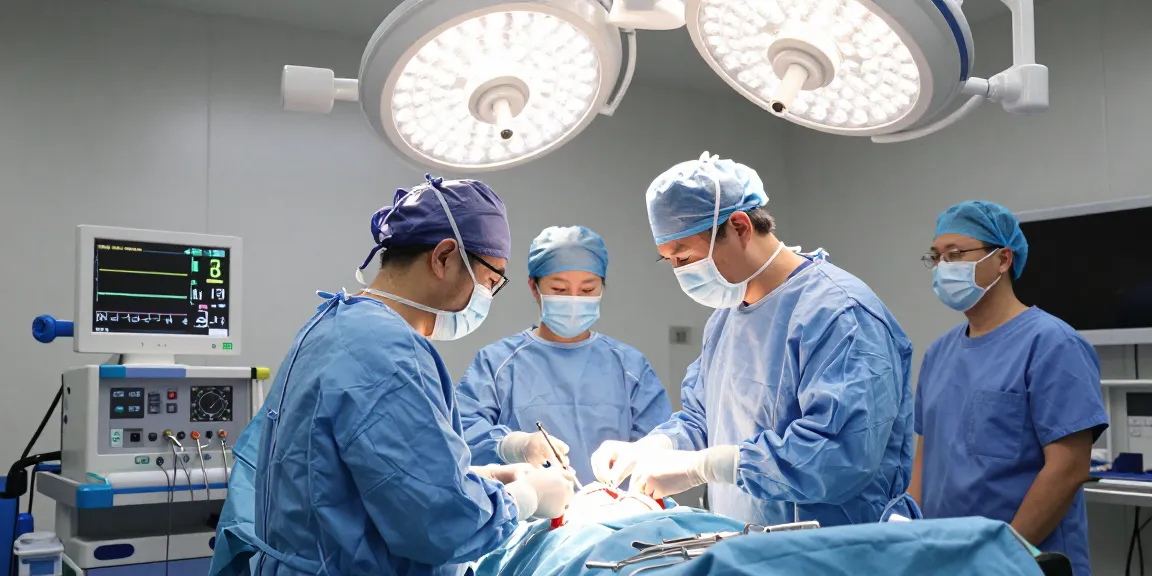
What is a Hair Transplant?
Definition and Overview
A hair transplant is a surgical procedure that involves moving hair follicles from a 'donor site', typically an area resistant to balding, to a bald or thinning area of the scalp. This method is primarily used to treat hair loss, including androgenetic alopecia, which affects both men and women. The procedure produces a natural-looking hairline and can restore confidence in individuals experiencing balding or thinning hair.
Different Techniques Explained
There are two main techniques for hair transplantation: Follicular Unit Transplantation (FUT) and Follicular Unit Extraction (FUE). FUT involves removing a strip of scalp from the donor area, which is then divided into grafts. On the other hand, FUE extracts individual follicles directly from the scalp. While both techniques aim to produce similar results, FUE is less invasive and has a shorter recovery time. Deciding on the best method often depends on individual needs, donor hair quality, and the extent of hair loss.
Who Can Benefit from Hair Transplants?
Individuals who experience hair loss due to genetic factors, trauma, or medical conditions may benefit from hair transplants. Both men and women are eligible candidates, although the types of hair loss may differ. Common conditions include male and female pattern baldness, scarring from injuries, and certain alopecia types. A comprehensive consultation with a specialist is essential to determine suitability based on hair loss patterns and overall health.
How Hair Transplants Work
The Procedure Step-by-Step
The hair transplant process typically begins with a consultation, where the surgeon assesses hair loss and discusses expectations. The day of the procedure involves several steps:
- Preparation: The patient’s hair is trimmed to ensure optimal access to donor areas.
- Anesthesia: Local anesthesia is administered to numb the scalp, minimizing discomfort.
- Harvesting Follicles: For FUT, a strip of scalp is removed. For FUE, individual grafts are harvested.
- Preparing Grafts: The extracted follicles are prepared for implantation under a microscope.
- Implantation: Small incisions are made in the recipient area to place the follicles carefully.
The procedure can take several hours, depending on the number of grafts and technique used.
Understanding Follicle Extraction
Follicle extraction is a critical step in the hair transplant process that significantly influences results. In FUE, follicles are extracted using a specialized tool that creates tiny circular incisions around each follicle. This method leaves minimal scarring and allows for faster recovery. In contrast, FUT can leave a linear scar but may be preferred in cases where numerous grafts are needed. Understanding these methods helps patients set realistic expectations and topics for discussion during consultations.
Recovery Process and Aftercare
Post-procedure recovery is essential for successful outcomes. Patients are typically advised to avoid strenuous activities for at least a week to allow for healing. Swelling and minor discomfort are common but manageable with prescribed medications. The transplanted hair may initially fall out within a few weeks; however, new growth should start to appear in a few months. Regular follow-up appointments ensure optimal healing and allow the surgeon to monitor progress.
Benefits of Hair Transplants
Permanent Hair Restoration
One of the most appealing aspects of hair transplants is the potential for permanent restoration. When performed correctly, the transplanted hair follicles continue to grow in their new location indefinitely. This characteristic distinguishes hair transplants from temporary solutions like medications or topical treatments, emphasizing the long-term value of the surgical approach.
Improved Self-Confidence
Beyond physical appearance, hair transplants can greatly enhance self-esteem and confidence. Many patients report feeling revitalized and more comfortable in social situations post-surgery. The psychological benefits of looking younger and more vibrant can be significant, particularly for individuals whose self-image has been affected by hair loss.
Natural-Looking Results
Thanks to advancements in hair transplant techniques and technology, results often look extremely natural. Highly skilled surgeons can create realistic hairlines that blend seamlessly with existing hair, which can significantly lessen any lingering doubts about undergoing the procedure. Patient satisfaction tends to be high, especially when they have realistic expectations and choose a qualified professional for their care.
Potential Risks and Side Effects
Understanding Complications
As with any surgical procedure, hair transplants carry certain risks and potential complications. Uncommon but possible complications include infections, improper healing, and an allergic reaction to anesthesia. It's essential for patients to discuss these risks with their surgeon to understand how they can be mitigated and what precautions will be taken during the procedure.
Managing Expectations
Managing expectations is crucial for patient satisfaction. Many people expect immediate results, while actual hair growth can take several months. Understanding that the initial hair shedding phase is normal and that results improve over time helps set realistic goals. Transparent communication between patients and healthcare providers plays a key role in achieving satisfaction.
Common Side Effects and Their Management
Common side effects include swelling, redness, and discomfort at the implantation sites. These usually resolve within a week or two. Patients may be advised to avoid sun exposure and hair products during the initial recovery phase. Regular follow-up appointments and adherence to aftercare instructions are essential for managing side effects and ensuring optimal results.
FAQs About Hair Transplants
How painful is a hair transplant?
Generally, hair transplants are not painful, as local anesthesia is used to numb the scalp. Some patients may feel slight discomfort or pressure during the procedure, but it is usually minimal and manageable with over-the-counter pain relief.
Is hair transplant 100% successful?
While hair transplants are highly effective, achieving 100% success is rare. However, success rates are over 90%, depending on the technique, the skill of the surgeon, and patient adherence to post-procedure care.
What is the average cost of a hair transplant?
The cost of a hair transplant varies significantly, generally ranging from $4,000 to $15,000 depending on the technique used, the number of grafts required, and the clinic's location. A thorough consultation will often provide more specific pricing.
Are hair transplants suitable for women?
Yes, women can benefit from hair transplants, especially those experiencing hair thinning or pattern baldness. A qualified specialist will evaluate hair loss patterns to recommend the best approach tailored to women's needs.
What are the long-term results of hair transplants?
Long-term results from hair transplants can be highly satisfactory. Most patients see natural-looking hair that continues to grow for years, helping them regain their confidence. Regular monitoring and ongoing care can further enhance results.