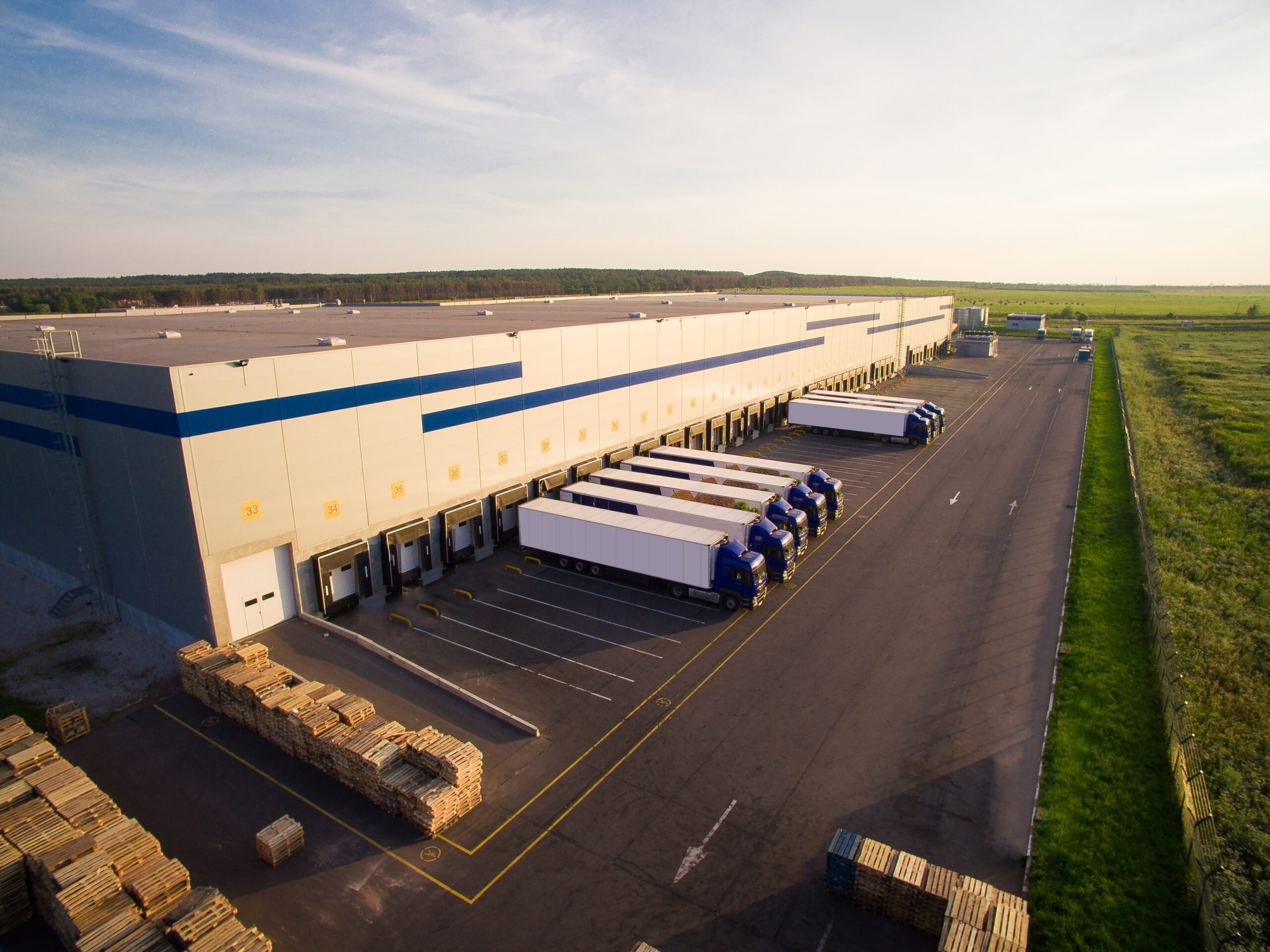
The Role of Warehouses in Supply Chain Management
Warehousing plays a critical role in supply chain management. It acts as a bridge between production and consumption, ensuring that goods reach their destination efficiently. As globalization increases, and e-commerce continues to expand, understanding the fundamentals and complexities of warehouses has never been more vital. Warehouses not only store goods but also streamline operations, reduce costs, and improve service levels.
A warehouse is essentially a large building designed for storing goods prior to their distribution, ideal for manufacturers, importers, exporters, wholesalers, and transport businesses. As you delve deeper into the logistics of a warehouse, you’ll discover how it influences profitability and customer satisfaction.
What is a Warehouse?
A warehouse is defined as a facility for storing goods. These structures are essential for businesses that need to hold inventory in between production stages or distribution points. In a nutshell, warehouses serve multiple purposes, including:
- Storage of raw materials and finished goods.
- Consolidation of goods for shipping.
- Inventory management to avoid stockouts or overstocking.
In terms of structure, warehouses are typically large, open spaces with high ceilings, allowing for the storage of bulky items and the use of large equipment for handling goods.
Types of Warehouses and Their Functions
Warehouses can be classified into several categories, each tailored to different needs within the supply chain. Understanding these types can help businesses choose the best solution for their needs:
1. Public Warehouses
Offered as a service to multiple clients, public warehouses are advantageous for businesses that do not require dedicated space. They allow firms to rent out space as needed.
2. Private Warehouses
Owned and operated by a firm, private warehouses are ideal for companies with stable demand and sufficient volume to justify the investment. These facilities offer greater control over operations.
3. Distribution Centers
Focused on the rapid movement of goods, distribution centers are designed to facilitate order fulfillment and shipping, often featuring high levels of automation.
4. Climate-Controlled Warehouses
Essential for businesses dealing with perishable goods, climate-controlled warehouses are equipped with heating and cooling systems that maintain specific environmental conditions.
Importance of Warehousing in Logistics
The significance of warehousing extends beyond merely storing goods. It is a powerful component of logistics that affects various aspects of a business:
- Supply Chain Efficiency: Warehousing minimizes delays by ensuring that products are available when and where they are needed.
- Cost Control: Strategic positioning of warehouses enables businesses to save on transportation costs as goods can be stored closer to customers.
- Inventory Management: Adequate warehousing allows for systematic tracking and management of inventory levels, ensuring optimal stock levels.
Warehouse Design and Layout Considerations
Effective warehouse design is crucial for operational efficiency. The layout and space utilization can significantly influence productivity and the overall performance of logistics operations.
Strategic Warehouse Layout Principles
A warehouse layout must consider the flow of goods, from receiving to storage, picking, packing, and shipping. Key principles include:
- Flow of Operations: Ensuring a logical progression to minimize movement and time spent on handling products.
- Zoning: Creating designated areas for receiving, storage, packing, and shipping helps streamline operations.
- Accessibility: Easy access to inventory allows for efficient picking processes and less travel time for staff.
Optimizing Space in Your Warehouse
Space optimization is essential to ensure your warehouse operates at its full capacity. Consider employing the following strategies:
- Vertical Storage: Utilizing vertical racking systems can maximize space by taking advantage of height.
- Cross-Docking: Palletizing shipments and moving them directly from receiving to shipping can reduce storage requirements.
- Dynamic Slotting: Adapting storage locations based on product demand can lead to faster order fulfillment.
Essential Warehouse Equipment and Technologies
Modern warehouses leverage advanced technologies to enhance productivity. Key equipment includes:
- Forklifts and Pallet Jacks: Essential for moving heavy items efficiently.
- Automated Storage and Retrieval Systems (AS/RS): These systems optimize the storage space and reduce retrieval times.
- Warehouse Management System (WMS): A WMS automates and improves order processing, inventory tracking, and overall warehouse operations.
Managing Warehouse Operations Effectively
Effective management of warehouse operations encompasses various strategies aimed at improving efficiency, productivity, and safety.
Warehouse Management Systems: Overview
A Warehouse Management System (WMS) is crucial for overseeing all operations within the warehouse. It allows managers to:
- Monitor inventory levels in real time.
- Optimize picking and packing workflows.
- Integrate seamlessly with other systems like ERP and CRM for holistic management.
Investing in a robust WMS can lead to significant improvements in operational efficiency and reduced costs.
Best Practices for Inventory Management
Inventory management is at the heart of warehouse operations. Implement these best practices to enhance your inventory management:
- Regular Audits: Conduct systematic checks on inventory levels to maintain accuracy.
- ABC Analysis: Categorize inventory based on importance and usage frequency to prioritize management efforts.
- First In First Out (FIFO): This method ensures older products are sold before newer ones, reducing the risk of obsolescence.
Staff Training and Safety Protocols
Well-trained staff and stringent safety protocols are essential for maintaining a safe working environment. Key considerations include:
- Regular Training: Ensuring staff is familiar with equipment and safety regulations.
- Emergency Preparedness: Training employees on emergency procedures and ensuring safety equipment is readily available.
- Ergonomic Practices: Implementing ergonomic practices can reduce workplace injuries.
Challenges Faced in Warehouse Management
Despite its importance, warehouse management is fraught with challenges that require adept solutions.
Common Operational Challenges
Some of the most prevalent challenges in warehouse operations include:
- Inventory Discrepancy: Mismatches between physical stock and records can lead to lost sales opportunities.
- Labor Shortages: Finding skilled labor can be difficult, particularly in peak seasons.
- High Operational Costs: Managing operational expenses while ensuring efficiency can be a delicate balancing act.
Mitigating Risks in a Warehouse Environment
Risk management in the warehouse setting involves identifying potential hazards and implementing measures to mitigate them. Common strategies include:
- Adopting Safety Standards: Following OSHA guidelines and implementing strict safety protocols can reduce accidents.
- Emergency Preparedness Plans: Having actionable plans to address emergencies to minimize disruptions.
- Insurance Coverage: Adequate insurance can protect against losses from accidents or damages.
The Impact of E-commerce on Warehousing
The surge in e-commerce has dramatically impacted warehousing strategies. Businesses need to accommodate:
- Increased order volumes and smaller order sizes.
- Faster shipping demands that require adaptable operations.
- Enhanced inventory tracking and order fulfillment technologies.
Adapting to these demands often means reconsidering warehouse layouts and increasing automation.
The Future of Warehousing and Technology Integration
As we look to the future, technology will undoubtedly shape warehouse operations in profound ways. Warehousing is evolving to meet the demands of consumers and businesses alike.
Emerging Technologies in Warehousing
Several technologies are set to revolutionize the warehouse landscape:
- Drones: Used for inventory management and stock counting, drones can enhance accuracy and save time.
- Robotics: Automated guided vehicles (AGVs) and robotic arms are streamlining picking and packing processes.
- Artificial Intelligence (AI): AI can analyze data to optimize inventory levels and predict demand patterns.
Sustainable Practices in Warehouse Operations
Sustainability is becoming increasingly critical in all sectors, including warehousing. Implementing sustainable practices can yield both environmental and economic benefits, such as:
- Energy Efficiency: Investing in energy-efficient lighting and equipment can reduce costs.
- Waste Reduction: Adopting recycling programs and using biodegradable packaging can lessen environmental impact.
- Sustainable Sourcing: Collaborating with suppliers who prioritize sustainable practices is essential.
The Role of Automation in Warehousing
Automation is transforming warehouse operations, enhancing efficiency, and productivity. Key areas benefiting from automation include:
- Order Fulfillment: Robotics and automation can significantly reduce order-processing times.
- Inventory Management: Automated systems can provide real-time inventory tracking, reducing errors and inefficiencies.
- Resource Allocation: Automation allows for better scheduling and labor allocation, optimizing workforce utilization.
As e-commerce continues to rise, integrating advanced technologies in warehouse operations will be paramount to staying competitive in the market.