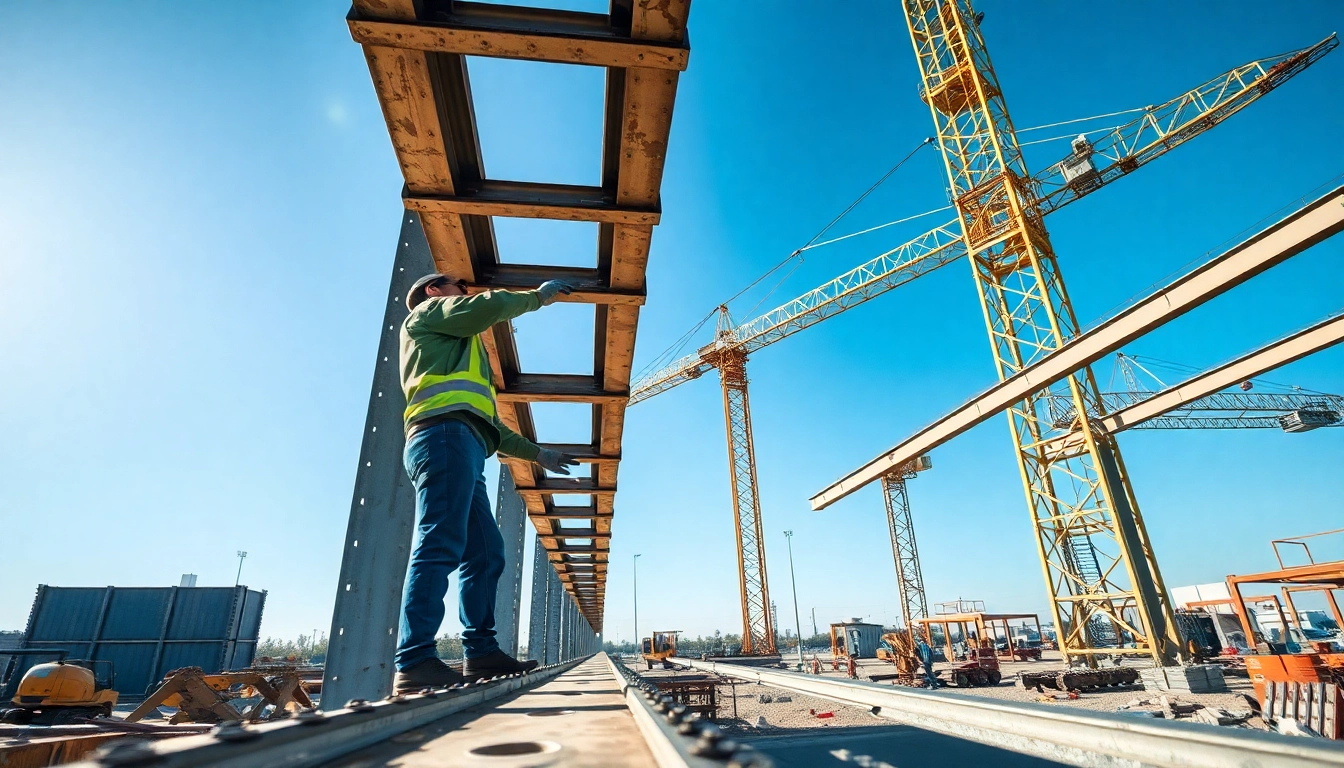
Understanding the Modern Steel Mill
Steel production has undergone transformative changes from the days of traditional methods to the advanced processes seen today. At the heart of this evolution lies the modern steel mill, which integrates technology, operational efficiency, and sustainability into its operations.
The Evolution of Steel Production
The journey of steel production can be traced back thousands of years, evolving from simple forge methods to the modern-day steel mill that utilizes sophisticated techniques. Initially, steel was produced in small quantities using iron and charcoal. The Industrial Revolution marked a significant shift with the introduction of the Bessemer process, which allowed for mass production. The modern steel mill builds on these innovations, employing electric arc furnaces, continuous casting, and advanced refining techniques to produce high-quality steel efficiently.
Key Components of a Modern Steel Mill
A modern steel mill consists of several integral components that work together to produce steel. These include:
- Steelmaking Facilities: These include blast furnaces and electric arc furnaces used to convert raw materials into molten steel.
- Continuous Casting Machines: These machines solidify molten steel into usable forms, like slabs and blooms.
- Rolling Mills: These are used for further shaping the steel into desired products such as rods, sheets, and beams.
- Finishing Lines: Critical for applying surface treatments and ensuring quality specifications.
The Role of Technology in Production
Technology has become a cornerstone of modern steel mills, enhancing productivity and quality. Automation and robotics streamline operations, reduce labor costs, and improve safety. Advanced analytics and IoT technologies allow for real-time monitoring, predictive maintenance, and energy management. Drones are being used for inspections, ensuring safety and efficiency while robots handle repetitive or dangerous tasks.
Operational Efficiency in Modern Steel Mills
Streamlining Processes for Productivity
Operational efficiency is crucial for a modern steel mill’s success. Streamlining production processes involves optimizing workflows and reducing waste. Techniques such as lean manufacturing are implemented to eliminate non-value-adding activities. Utilizing value stream mapping helps in identifying areas for improvement, enabling a continuous flow of materials and reducing lead times.
Quality Control Measures
Quality control is paramount in steel production, ensuring the final product meets industry standards. Modern steel mills employ rigorous testing and quality assessments throughout the manufacturing process. This includes chemical composition tests, mechanical property evaluations, and surface inspections. Techniques such as Six Sigma are also adopted to minimize defects and achieve higher quality outcomes.
Energy Management Practices
Energy consumption is one of the most significant costs for steel mills. Implementing energy management practices not only reduces costs but also enhances sustainability. Modern mills adopt energy-efficient technologies, such as heat recovery systems and smart energy management systems. These initiatives can lead to decreased energy consumption and lower greenhouse gas emissions.
Environmental Considerations
Sustainability in Steel Manufacturing
As global demand for steel increases, so does the importance of sustainability in manufacturing processes. Modern steel mills are investing in sustainable practices to reduce their environmental impact. This includes recycling by using scrap steel in production and striving for carbon-neutral processes. Sustainability certifications, such as ISO 14001, are sought after to demonstrate commitment towards environmental stewardship.
Reducing Carbon Footprint
Reducing the carbon footprint is a central focus for the steel industry. New methods like direct reduced iron (DRI) and the utilization of renewable energy sources are being increasingly integrated into processes. Carbon capture and storage technologies are also under development, aiming to significantly lower CO2 emissions associated with steel production.
Responsible Waste Management
Effective waste management strategies are vital for modern steel mills. This involves minimizing waste generation, ensuring proper disposal, recycling by-products, and compliance with regulations. Creating a circular economy through the reuse of waste materials promotes sustainability and enhances overall operational efficiency.
Challenges Facing Modern Steel Mills
Global Market Competition
Modern steel mills face intense competition from global players. This necessitates constant innovation and adaptation to stay competitive. Investing in technology and improving production efficiency are essential strategies to maintain market share and profitability.
Supply Chain Disruptions
The steel industry is also vulnerable to supply chain disruptions, which can have severe impacts on production schedules and costs. Factors such as geopolitical tensions, natural disasters, and global pandemics can lead to shortages of raw materials or increases in shipping costs. Building resilient supply chains through diversification and strategic partnerships can help mitigate these risks.
Regulatory Compliance
Regulatory compliance is a critical challenge for steel mills. Stricter environmental regulations and safety standards require ongoing investment in regulatory adherence. This necessitates not only financial resources but a commitment to corporate social responsibility, ensuring that practices align with legal requirements and ethical standards.
The Future of the Modern Steel Mill
Emerging Technologies and Innovations
The future of steel production is being shaped by emerging technologies such as artificial intelligence, machine learning, and blockchain. AI-driven analytics can assist in optimizing production schedules and predicting equipment failures. Blockchain can enhance transparency in supply chains, improving traceability and accountability.
Workforce Development and Training
As the industry evolves, so too must the workforce. Ongoing training and development programs are essential to equip workers with the skills needed to operate new technologies. Partnerships with educational institutions can help create a future-ready workforce capable of adapting to the changing landscape of steel manufacturing.
Long-term Industry Trends
Key long-term trends in the steel industry include the increasing adoption of automation, heightened focus on sustainability, and a greater emphasis on digital transformation. Understanding and adapting to these trends will be essential for modern steel mills to thrive in the future market, ensuring they remain competitive and responsive to consumer needs.
FAQs
What is a modern steel mill?
A modern steel mill is equipped with advanced technology and processes for efficient steel production, emphasizing automation, sustainability, and quality control.
How has technology impacted steel production?
Technology has enhanced automation, real-time monitoring, and predictive maintenance, leading to improved efficiency and reduced production costs in steel manufacturing.
What are common challenges for steel mills today?
Common challenges include global competition, supply chain disruptions, regulatory compliance, and sustainability pressures, which require strategic adaptability.
What measures are steel mills taking for sustainability?
Steel mills are adopting recycling practices, energy-efficient technologies, and carbon reduction strategies to promote sustainability in their operations.
What is the future of steel manufacturing?
The future includes increased automation, digital transformation, and innovative technologies aimed at improving efficiency and reducing environmental impacts.